
Eating Well on a Tight Budget: Nutrition Strategies That Hold Up

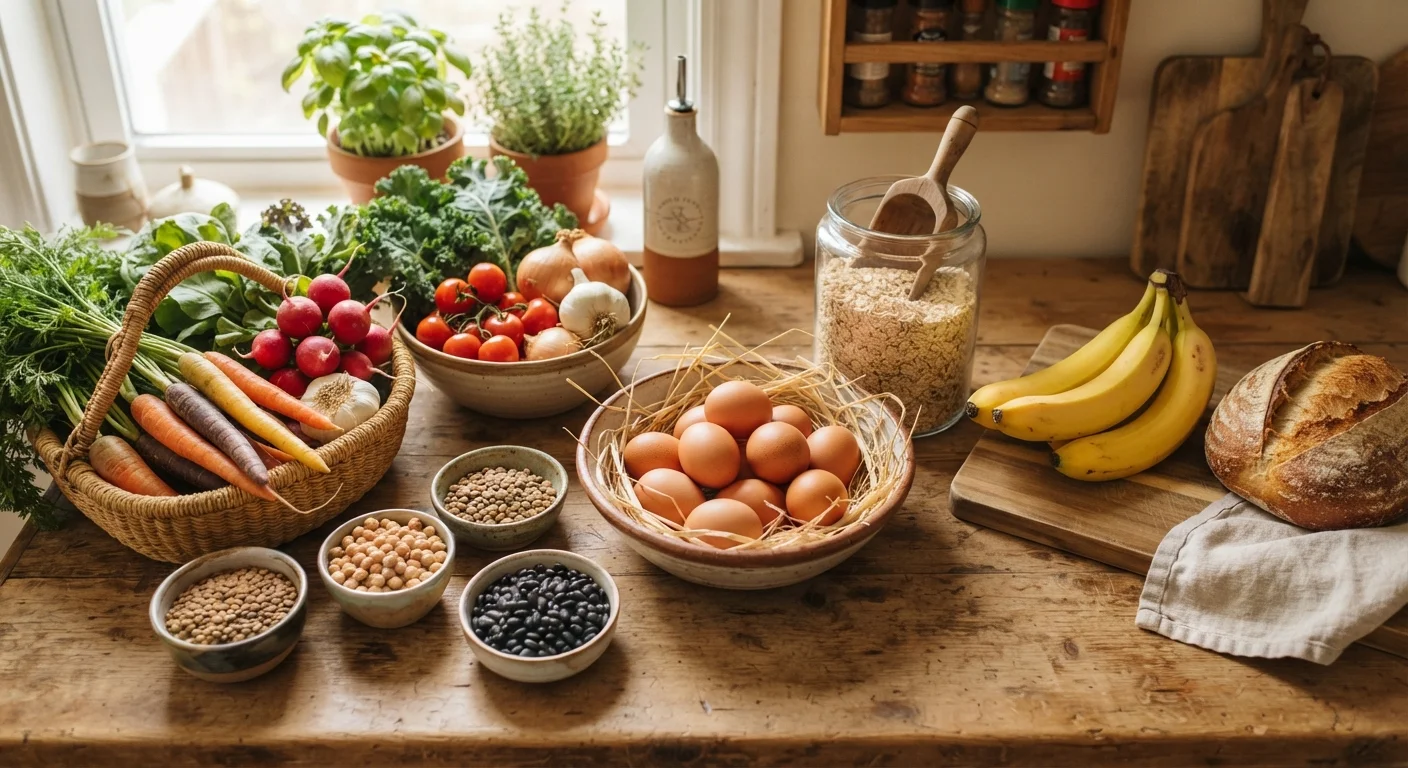
Photo: ShortwebArticles.com | Content For The Curious editorial
Key Takeaways
- Affordable staples like dried beans, eggs, oats, and frozen vegetables provide dense nutrition at low cost.
- Meal planning reduces food waste and prevents costly impulse purchases at the grocery store.
- Protein doesn't have to come from meat — plant-based sources are often far cheaper and equally nutritious.
- Store brands and frozen produce consistently match the nutritional value of their pricier counterparts.
- Cooking in batches saves both money and time throughout the week without sacrificing dietary quality.
Why Budget Eating Gets a Bad Reputation
The popular image of cheap food — ramen packets, fast-food dollar menus, bags of chips — has convinced many people that eating well and eating affordably are mutually exclusive. They aren't. What the research and practical experience of dietitians consistently show is that whole, minimally processed foods are often among the least expensive items per serving in any grocery store.
The real challenge isn't access to cheap nutritious food — it's knowing which foods to prioritize and how to use them efficiently. Budget constraints can actually push people toward smarter choices if the right framework is in place. This article covers proven practices that help stretch grocery dollars without compromising the nutritional quality of what ends up on your plate.
For a deeper look at how processing affects nutritional value — useful context before overhauling your grocery list — see how processing affects nutritional value.
Core Practices for Eating Well on Less
These strategies are grounded in nutritional evidence and real-world affordability. They don't require a specialty store, a dietitian's appointment, or a dramatic diet overhaul.
Build meals around low-cost, high-protein staples like dried beans, lentils, and eggs.
Choose frozen vegetables and fruit over fresh when cost or shelf life is a concern.
Cook in batches and repurpose components across multiple meals.
Shop with a list and avoid shopping hungry to limit impulse spending.
Select store-brand canned and dry goods over name brands.
If you want to go further in building meals that reliably cover your nutritional bases, building a balanced plate without a nutrition degree offers practical, jargon-free guidance.
Start Here: Quick Actions You Can Take This Week
You don't need to restructure your entire grocery routine overnight. A few targeted changes can produce meaningful results within a single shopping cycle.
$1,500+
Estimated annual savings by reducing food waste
The USDA estimates the average American household throws away roughly 30–40% of its food supply, representing significant unnecessary spending each year.
~$0.25
Average cost per serving of dried beans
Dried legumes consistently rank as one of the most affordable high-protein, high-fiber foods available in U.S. grocery stores, according to USDA food cost data.
3×
More fiber per dollar in legumes vs. most packaged snacks
Nutritional cost-efficiency analyses consistently show whole plant foods like beans and lentils deliver substantially more fiber and protein per dollar than processed snack alternatives.
Planning Ahead Makes the Biggest Difference
Of all the levers available to budget-conscious eaters, meal planning consistently delivers the highest return. A written plan — even a rough one — reduces reactive shopping, limits food waste, and makes it far easier to cook from pantry staples rather than reaching for convenience options.
Keep a Running Pantry Inventory
The weekly meal planning checklist on this site walks through a practical system for covering protein, fiber, and key micronutrients without overcomplicating the process. Pairing that with a realistic household budget — covered in budgeting basics — helps put grocery spending in context of overall financial goals.
For readers thinking about broader spending patterns, cutting discretionary spending without feeling deprived offers complementary strategies that don't require sacrifice across the board.
This article is for general informational and educational purposes only and is not a substitute for personalized nutrition or medical advice. Consult a registered dietitian or qualified healthcare professional for guidance tailored to your individual health needs and circumstances.
The content on this site is for informational purposes only and is not a substitute for professional advice. Always consult a qualified professional for guidance specific to your situation.