
Nutrition & Diet

Meal Planning Fundamentals: A Weekly Checklist for Nutritional Balance

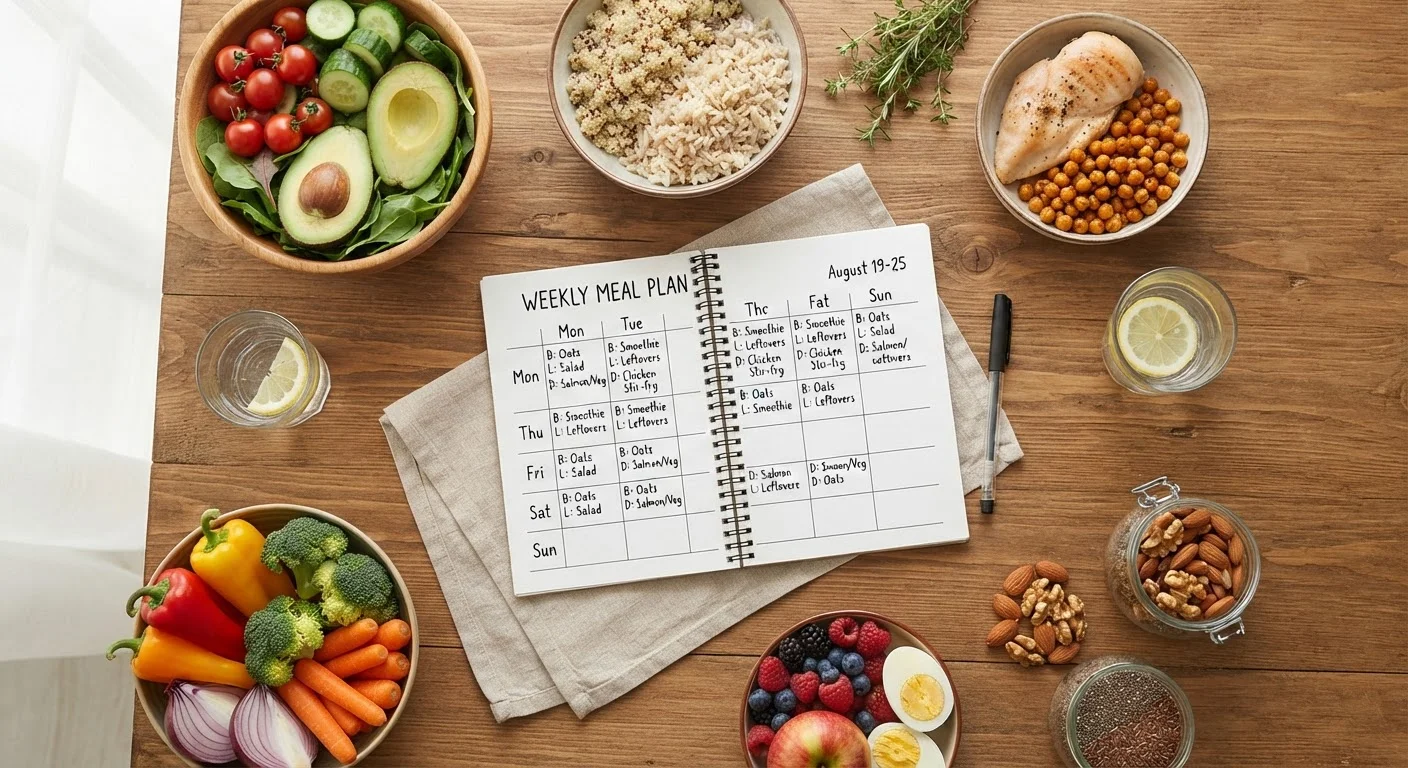
Meal Planning Fundamentals: A Weekly Checklist for Nutritional Balance

Photo: ShortwebArticles.com | Content For The Curious editorial

Use this practical checklist to plan weekly meals that cover protein, fiber, healthy fats, and key micronutrients without overcomplicating your routine.

Key Takeaways

  • A structured weekly checklist removes guesswork and helps you hit key nutritional targets consistently.
  • Balancing protein, fiber, healthy fats, and micronutrients doesn't require an extreme or restrictive diet.
  • Batch-prepping a few core ingredients on one day dramatically reduces decision fatigue during the week.
  • Planning meals around your grocery budget can improve both nutrition quality and spending habits.
  • Flexibility matters — a good plan accounts for real life, not just ideal conditions.

Why a Weekly Meal Planning Checklist Works

Most people don't eat poorly because they lack nutrition knowledge — they eat poorly because they're tired, rushed, or unprepared. A weekly meal planning checklist addresses all three. By setting aside one focused block of time, you create a structure that reduces daily decision-making and makes it far more likely that your meals will reflect your actual health goals.

This checklist is built around nutritional balance rather than calorie restriction or rigid dietary rules. The goal is to help you cover protein, fiber, healthy fats, and essential micronutrients across your weekly meals in a practical, sustainable way. Whether you're cooking for one or a household of five, these steps adapt to your situation.

If budget is a concern alongside nutrition, our guide to eating well on a tight budget pairs well with this checklist.

Required

Weekly meal plan template (paper or digital)

Provides a visual grid to map out meals and snacks for each day of the week.

Required

Grocery list app or notepad

Consolidates ingredients from your plan into an organized shopping list to prevent forgetting items.

Optional

Kitchen scale

Helps with portion awareness when prepping batch ingredients like grains or proteins.

Required

Storage containers (varied sizes)

Essential for batch prepping and storing individual meal components in the fridge or freezer.

Optional

Nutrition reference guide or app

Useful for checking whether specific foods supply key micronutrients you may be missing.

Your Weekly Meal Planning Checklist

Work through each group below at the start of your planning week — Sunday afternoon or any consistent day that works for your schedule. Check off items as you complete them. You don't need to be perfect; the goal is meaningful progress, not flawless execution.

Preparation

Review what's already in your pantry, fridge, and freezer before planning new meals. Must
Set a realistic grocery budget for the week and note it before building your menu. Must
Identify how many meals and snacks you need to cover — breakfast, lunch, dinner, and snacks for each day. Must
Check your schedule for the week and flag any days with limited cooking time. Should

Protein Coverage

Include at least one quality protein source at each main meal across the week — such as eggs, legumes, fish, poultry, tofu, or dairy. Must
Vary your protein sources so you're not relying on the same one every day. Should
Plan at least two plant-based protein meals per week to diversify amino acid and fiber intake. Nice to have

Vegetables and Fiber

Plan meals that include vegetables at least twice a day across the week. Must
Include a variety of colors across your vegetable choices — different colors generally signal different micronutrients. Should
Include at least two high-fiber whole grain servings per day — such as oats, brown rice, quinoa, or whole wheat bread. Should
Add legumes (lentils, chickpeas, black beans) to at least two meals to boost fiber and protein together. Nice to have

Healthy Fats and Micronutrients

Include sources of healthy unsaturated fats in your weekly plan — such as avocado, nuts, seeds, olive oil, or fatty fish. Must
Check that your plan includes calcium-rich foods — such as dairy, fortified plant milks, or leafy greens — at least once daily. Should
Ensure iron-containing foods appear regularly, particularly if you don't eat red meat (e.g., lentils, spinach, fortified cereals). Should
Plan for at least one source of omega-3 fatty acids during the week, such as salmon, sardines, walnuts, or flaxseed. Nice to have

Batch Prep and Logistics

Identify two or three ingredients you can batch-cook once and use across multiple meals (e.g., grains, roasted vegetables, cooked beans). Must
Write a consolidated grocery list organized by store section to reduce shopping time and impulse buys. Must
Plan one flexible 'use what you have' meal toward the end of the week to reduce food waste. Should
Prep snacks in advance — portioned nuts, cut fruit, or pre-made hummus — so convenient options are already healthy. Nice to have

Review and Adjust

Scan your completed weekly plan and check that no major food group is missing across the full seven days. Must
Note any meals that felt too complicated or time-consuming and simplify them for next week. Should
Reflect briefly at the end of the week on what worked — keep those meals in rotation. Nice to have

This Checklist Is Not Medical or Dietary Advice

The guidance here is general and educational, not tailored to any individual's health conditions, medications, or clinical needs. If you have a diagnosed condition — such as diabetes, kidney disease, or a food allergy — your meal planning approach should be developed with a registered dietitian or your healthcare provider. Do not use this checklist as a substitute for personalized professional guidance.

Getting the Most From Your Plan

Nutritional balance over a week is more forgiving than it looks on any single day. If Tuesday's dinner falls short on vegetables, Wednesday's lunch can compensate. This is why planning at the weekly level — rather than obsessing over individual meals — is a more durable strategy for most people.

For a deeper look at how different protein sources compare on nutrition and cost, see our protein sources comparison. And if you want to understand which vitamins and minerals matter most in your food choices, our plain-language guide to vitamins and minerals is a solid next read.

Meal planning also connects directly to your grocery budget. Linking your food plan to a spending plan reduces impulse purchases and food waste simultaneously — a concept explored further in our monthly budget setup checklist.

Avoid Over-Restricting Food Groups

Cutting out entire food groups without professional guidance can lead to nutrient gaps that are hard to detect in the short term but meaningful over time. If you're considering a significant dietary change — such as eliminating grains, dairy, or animal products — consult a registered dietitian to ensure your plan still covers essential nutrients. Balance, not restriction, is the foundation of this checklist.

This article is for general informational and educational purposes only and is not a substitute for professional medical or dietary advice. Speak with a registered dietitian or qualified healthcare provider for guidance tailored to your individual health needs.

Health Editorial Team

ShortwebArticles.com | Content For The Curious

Health Editorial Team is the collective byline for our editorial team and contributor network. Articles published under this byline or an editorial pen name are researched, written, and reviewed according to our editorial standards for clarity, consistency, and independence before publication.

Fitness & ExerciseNutrition & DietMental Well-Being
View author profile

The content on this site is for informational purposes only and is not a substitute for professional advice. Always consult a qualified professional for guidance specific to your situation.