
Vitamins and Minerals: A Plain-Language Guide to the Essentials

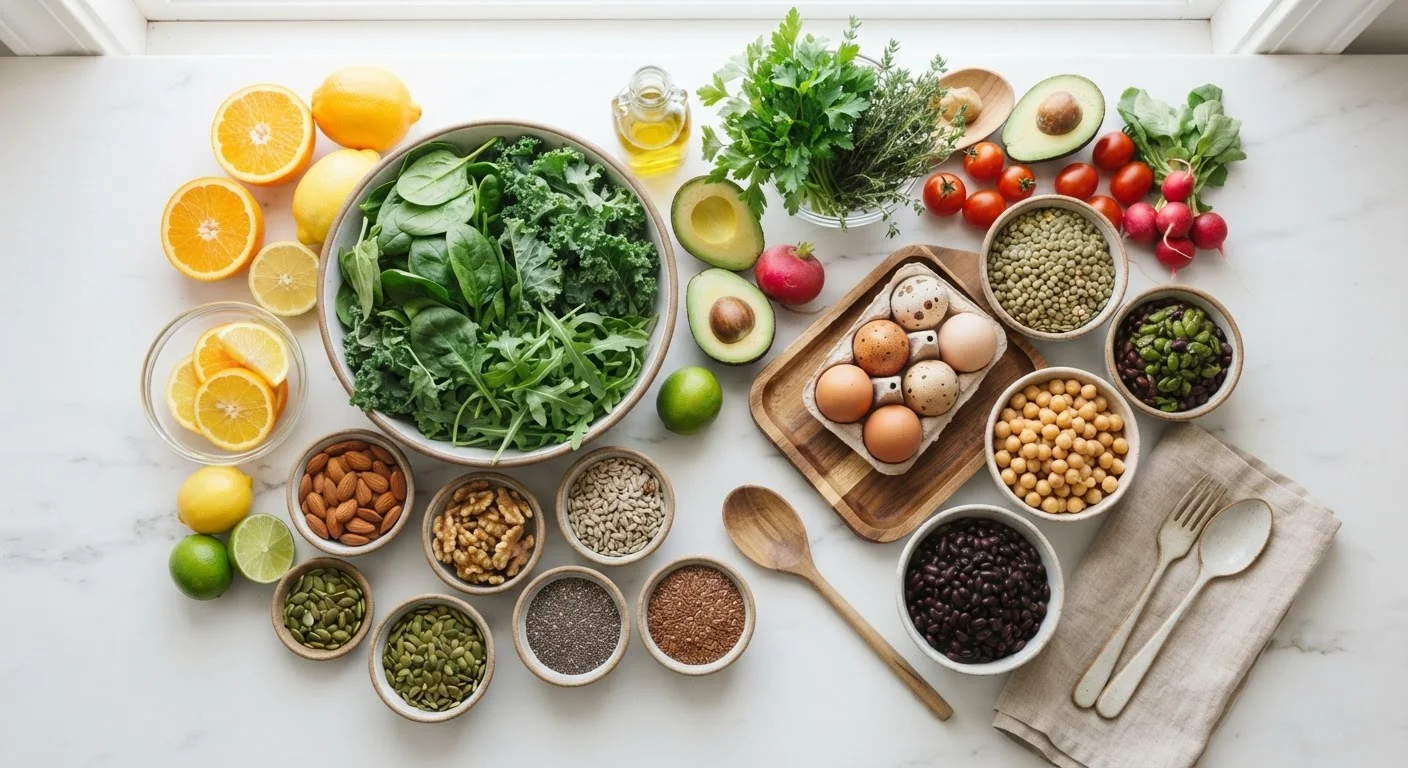
Photo: ShortwebArticles.com | Content For The Curious editorial
Key Takeaways
- Fat-soluble vitamins (A, D, E, K) are stored in body fat and can accumulate to excess if over-supplemented.
- Water-soluble vitamins like C and most B vitamins must be replenished regularly through food.
- Iron, calcium, and magnesium are the minerals most commonly under-consumed by American adults.
- Whole foods deliver vitamins and minerals alongside fiber and beneficial compounds that supplements cannot replicate.
- Persistent fatigue, slow wound healing, or unusual symptoms warrant professional evaluation, not self-diagnosis.
- Reading nutrition labels helps you track daily values for key micronutrients at a glance.
Why Micronutrients Matter
Macronutrients — carbohydrates, protein, and fat — get most of the nutrition spotlight, but vitamins and minerals (collectively called micronutrients) quietly run the show behind the scenes. They regulate metabolism, support immune function, build bones and blood, and protect cells from damage. Without adequate amounts, even a calorie-sufficient diet can leave the body running below par.
Unlike macronutrients, micronutrients are needed only in small amounts, measured in milligrams (mg) or micrograms (mcg). That said, small does not mean unimportant. Chronic shortfalls — even mild ones — can compound over time and affect energy, cognition, and long-term health.
The good news: a genuinely varied diet built around whole foods covers most people's needs most of the time. Understanding what each nutrient does and where it lives in food is the first step toward eating with confidence rather than anxiety. For practical help putting this into practice, see our weekly meal planning checklist for nutritional balance.
~42%
U.S. adults with vitamin D insufficiency
According to data published in the journal Nutrients, roughly 42% of American adults have vitamin D levels below the threshold considered sufficient.
~10%
American women with iron deficiency anemia
The CDC estimates that approximately 10% of U.S. women of childbearing age are iron deficient, making it the most common nutritional deficiency in the country.
48%
Americans not meeting magnesium requirements
Analysis of NHANES dietary data suggests nearly half of Americans consume less than the estimated average requirement for magnesium from food alone.
The Fat-Soluble Vitamins (A, D, E, K)
Fat-soluble vitamins dissolve in fat and are stored in fatty tissue and the liver. This means the body can draw on reserves during periods of low intake — but it also means over-supplementation can lead to accumulation and, in some cases, toxicity.
- Vitamin A supports vision (especially night vision), immune defense, and skin cell renewal. Food sources include liver, dairy, eggs, and orange-yellow produce like carrots and sweet potatoes, which contain beta-carotene — a precursor the body converts to vitamin A.
- Vitamin D promotes calcium absorption and is essential for bone health and immune regulation. It is produced in skin exposed to sunlight but is found in few foods naturally (fatty fish, egg yolks, fortified milk). Vitamin D deficiency is among the most widespread nutrient shortfalls in the United States.
- Vitamin E is an antioxidant that helps protect cell membranes from oxidative damage. Nuts, seeds, and plant oils are the richest sources.
- Vitamin K exists in two main forms: K1 (phylloquinone), found in leafy greens and important for blood clotting, and K2 (menaquinone), found in fermented foods and some animal products and linked to bone and cardiovascular health.
Pair vitamin D intake with a meal that contains fat — whether that's salmon with olive oil or an egg with avocado toast — to meaningfully improve how much your body actually absorbs.
If you rely on plant sources for iron, squeeze lemon juice over your legumes or eat a vitamin-C-rich vegetable alongside — the combination can significantly boost non-heme iron absorption.
The Water-Soluble Vitamins (C and the B Family)
Water-soluble vitamins are not stored in significant quantities, so regular dietary intake matters more. Excess amounts are generally excreted in urine, which lowers toxicity risk — but it also means deficiency can develop faster when intake drops.
- Vitamin C is a potent antioxidant essential for collagen synthesis, iron absorption, and immune function. Citrus fruit, bell peppers, broccoli, and strawberries are excellent sources.
- B vitamins form a family of eight nutrients, each with distinct roles: B1 (thiamine) and B2 (riboflavin) help convert food to energy; B3 (niacin) supports metabolism and DNA repair; B6 (pyridoxine) is involved in protein metabolism and neurotransmitter production; B9 (folate) is critical for DNA synthesis and especially important during pregnancy; B12 (cobalamin) maintains nerve function and red blood cell formation and is found almost exclusively in animal products, making supplementation relevant for vegans.
- Biotin and pantothenic acid (B5) round out the family; both are widespread in food and deficiency is uncommon in people eating a varied diet.
If you want to understand how these nutrients appear on food packaging, our nutrition label guide explains every line of the facts panel.
Key Minerals: Calcium, Iron, Magnesium, and More
Minerals are inorganic elements that come from soil and water and enter the food supply through plants and animals. Unlike vitamins, they are not destroyed by cooking heat, though some can leach into cooking water.
- Calcium is the most abundant mineral in the body, essential for bone density, muscle contraction, and nerve signaling. Dairy, fortified plant milks, leafy greens (collards, bok choy), and canned fish with soft bones (sardines, salmon) are reliable sources.
- Iron carries oxygen in red blood cells. Heme iron (from meat and seafood) is absorbed more readily than non-heme iron (from legumes, tofu, and fortified grains). Pairing plant iron sources with vitamin C improves absorption. Iron deficiency anemia is the most common nutritional deficiency worldwide.
- Magnesium participates in more than 300 enzymatic reactions, including energy production and muscle function. Whole grains, legumes, nuts, seeds, and dark leafy greens are the best sources. Many Americans fall short of recommended intakes.
- Potassium regulates fluid balance and blood pressure. Bananas get the credit, but beans, potatoes, avocado, and yogurt are often richer sources.
- Zinc supports immune function, wound healing, and taste and smell perception. Red meat, shellfish (especially oysters), legumes, and pumpkin seeds provide it.
- Iodine is needed for thyroid hormone production; iodized salt and seafood are primary sources in the American diet.
More Is Not Always Better With Supplements
When Deficiency Becomes a Concern
Most healthy adults eating a varied diet are unlikely to experience severe deficiency. However, certain groups face higher risk:
- Older adults often absorb vitamin B12 and calcium less efficiently and produce less vitamin D from sun exposure.
- People following vegan or strict plant-based diets should pay particular attention to B12, vitamin D, iron, zinc, iodine, and long-chain omega-3s.
- Pregnant and breastfeeding individuals have elevated needs for folate, iron, calcium, and iodine. Prenatal supplementation is typically recommended — always under a healthcare provider's guidance.
- People with certain gastrointestinal conditions (such as Crohn's disease or celiac disease) may absorb nutrients poorly regardless of dietary intake.
Get Tested Before You Supplement
Symptoms such as persistent fatigue, brittle nails, slow wound healing, muscle cramps, or unusual bruising can suggest a nutrient shortfall — but they also have many other causes. Self-diagnosing and self-treating with high-dose supplements without testing can cause harm. A healthcare provider can order a simple blood panel to clarify what, if anything, needs attention.
Building a Micronutrient-Rich Plate Without Overthinking It
You do not need to track every milligram to eat well. A few consistent habits cover a wide range of micronutrient needs:
- Eat a wide variety of colors. Different pigments in produce signal different phytonutrients and vitamins. Rotating through orange, red, green, purple, and white foods broadens your nutrient profile naturally.
- Anchor meals in whole or minimally processed foods. Refined grains and ultra-processed foods often strip away the minerals and B vitamins originally present, even when some are added back through fortification.
- Include legumes regularly. Beans and lentils deliver iron, magnesium, folate, potassium, and zinc in one affordable package. Our budget nutrition guide covers how to stretch these and other nutrient-dense staples further.
- Don't fear fat. Fat-soluble vitamins (A, D, E, K) require dietary fat for absorption. Dressing a salad with olive oil or adding avocado genuinely improves nutrient uptake from the meal.
- Consider targeted supplementation cautiously. For most people, a basic multivitamin fills gaps without megadosing any single nutrient. Those in higher-risk groups should discuss specific supplements with a qualified healthcare professional rather than guessing.
For more context on how to put these principles into action week by week, explore our fitness and exercise hub, where nutrition and movement strategies intersect.
This article is for general informational and educational purposes only and is not a substitute for professional medical or dietary advice. Always consult a qualified healthcare provider before making significant changes to your diet or starting any supplement regimen.
The content on this site is for informational purposes only and is not a substitute for professional advice. Always consult a qualified professional for guidance specific to your situation.