
Whole Foods vs. Processed Foods: Understanding the Real Difference

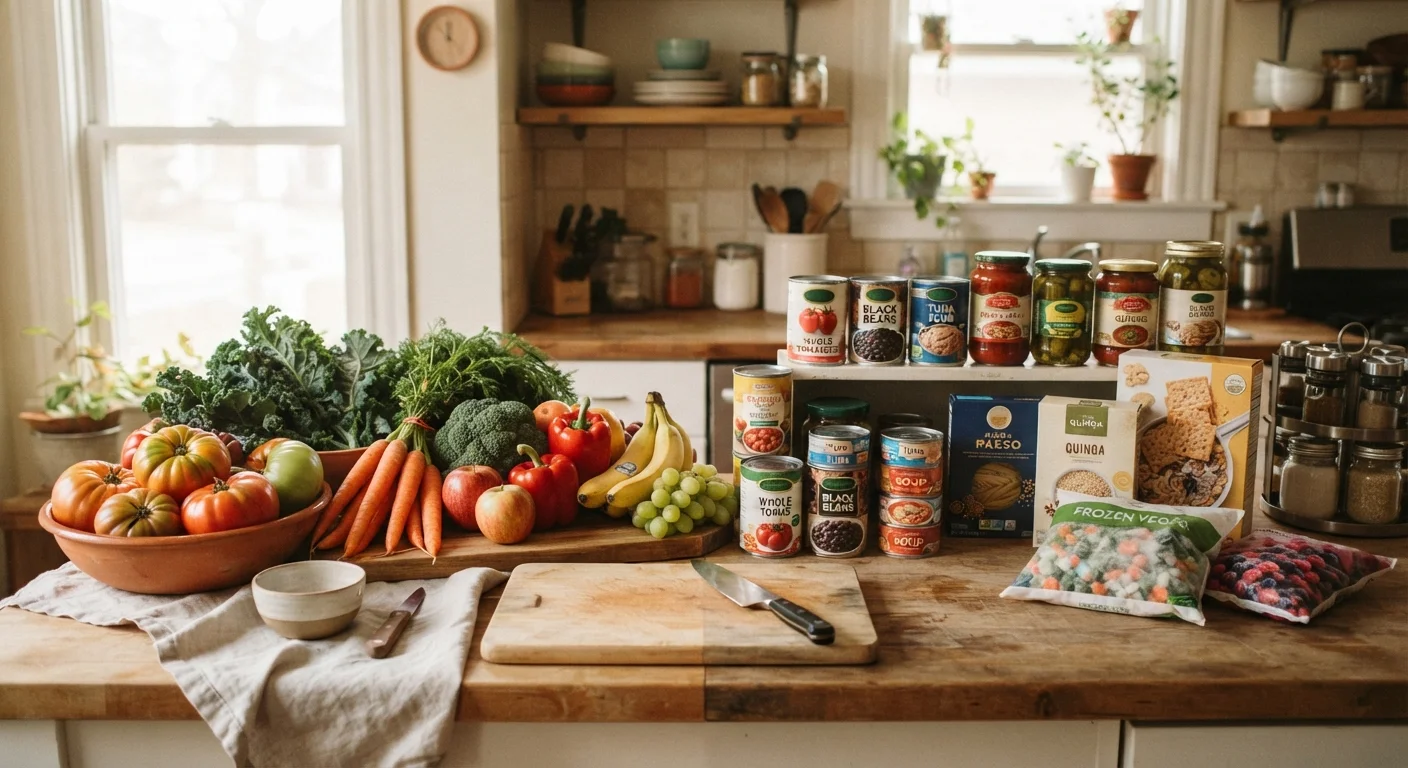
Photo: ShortwebArticles.com | Content For The Curious editorial
Key Takeaways
- "Processed" covers a wide spectrum — canned tomatoes and fast-food nuggets are not nutritionally equivalent.
- Whole foods generally retain more fiber, vitamins, and minerals than heavily processed alternatives.
- Ultra-processed foods — not all processed foods — are most consistently linked to poorer health outcomes in research.
- Frozen and canned vegetables can match fresh produce nutritionally and are legitimate whole-food options.
- Reading nutrition labels helps distinguish minimally from heavily processed foods at a glance.
- A realistic, healthy diet can include both whole and some processed foods without being all-or-nothing.
What 'Processed' Actually Means
The word "processed" gets used as a blanket insult in nutrition conversations, but it covers an enormous range of foods. Technically, any food that has been washed, cut, cooked, frozen, canned, or fermented has been processed. That includes bagged spinach, Greek yogurt, and rolled oats — not just candy bars and fast food.
A more useful framework comes from the NOVA classification system developed by Brazilian nutrition researchers, which groups foods into four categories based on the nature and extent of processing:
- Group 1 — Unprocessed or minimally processed: Fresh fruits, vegetables, plain meat, eggs, plain legumes, and milk.
- Group 2 — Processed culinary ingredients: Oils, butter, flour, salt, and sugar — used in cooking but not typically eaten alone.
- Group 3 — Processed foods: Foods made by combining Group 1 and 2 items, like canned fish, cheese, cured meats, or simple breads.
- Group 4 — Ultra-processed foods (UPF): Industrial formulations typically containing additives, preservatives, artificial flavors, and little whole-food content — think packaged snack cakes, soda, and many fast-food items.
The research concern is concentrated almost entirely on Group 4. When scientists link "processed foods" to health risks in studies, they are usually referring to ultra-processed foods — a distinction that matters when evaluating your grocery cart.
Not All Processing Is a Red Flag
How Processing Changes Nutritional Value
Processing affects nutrients in ways that can go both directions. Heat and mechanical processing can destroy heat-sensitive vitamins like vitamin C and some B vitamins, and removing the outer layers of grains eliminates fiber and micronutrients. On the other hand, cooking tomatoes increases the availability of lycopene, a beneficial antioxidant. Fermentation produces beneficial compounds that weren't present in raw ingredients.
The biggest nutritional shifts in ultra-processed foods tend to come from what gets added rather than what gets removed: sodium, added sugars, and refined fats are concentrated in these products and accumulate quickly across a day's eating. Understanding how added and natural sugars differ is one of the clearest ways to see this in action.
| Criterion | Whole Foods | Ultra-Processed Foods |
|---|---|---|
| Fiber content | Naturally high | Often very low |
| Added sugar | None | Frequently high |
| Sodium | Naturally low | Often very high |
| Ingredient list | One or few ingredients | Long, includes additives |
| Shelf life | Short to moderate | Extended by preservatives |
| Cost per serving | Variable | Often low, but varies |
| Prep time required | Usually more | Minimal |
For practical grocery decisions, learning to read a nutrition label accurately is one of the most transferable skills you can develop. The ingredient list length and the position of sugar and sodium on that list tell you more than a health claim on the front of the package ever will.
The Whole-Foods Middle Ground Most People Miss
Whole-food eating doesn't require buying the most expensive produce or avoiding every package in the store. Frozen vegetables are harvested and flash-frozen at peak ripeness, preserving nutrients comparably to — and sometimes better than — fresh produce that has traveled long distances. Canned beans, plain oats, and canned fish in water are all minimally processed foods that anchor affordable, nutritious meals.
This matters for realistic food planning. A diet heavy in ultra-processed foods is genuinely linked — across multiple large observational studies — to higher rates of cardiovascular disease, type 2 diabetes, and other chronic conditions. But the solution is not perfection; it's shifting the overall pattern. If you're looking for practical strategies, eating well on a tight budget covers how to build a nutrient-dense diet without relying on expensive whole-food specialty items.
57%
Share of U.S. calories from ultra-processed foods
A study published in BMJ Open estimated that ultra-processed foods account for roughly 57% of energy intake among American adults.
4x
Ultra-processing groups in NOVA classification
The NOVA framework, developed by researchers at the University of São Paulo, categorizes all foods into four groups based on processing extent and purpose.
The goal for most people is a diet where whole and minimally processed foods make up the majority of calories, with ultra-processed options as occasional rather than routine choices. That's a realistic, evidence-grounded target — not a restriction-based extreme. For a deeper look at overall eating patterns, comparing plant-based and omnivore approaches is useful context.
This article is for general informational and educational purposes only and is not a substitute for professional medical or dietary advice. Consult a qualified healthcare provider or registered dietitian for guidance specific to your health needs.
The content on this site is for informational purposes only and is not a substitute for professional advice. Always consult a qualified professional for guidance specific to your situation.