
Plant-Based Eating vs. Omnivore Diets: What the Evidence Shows

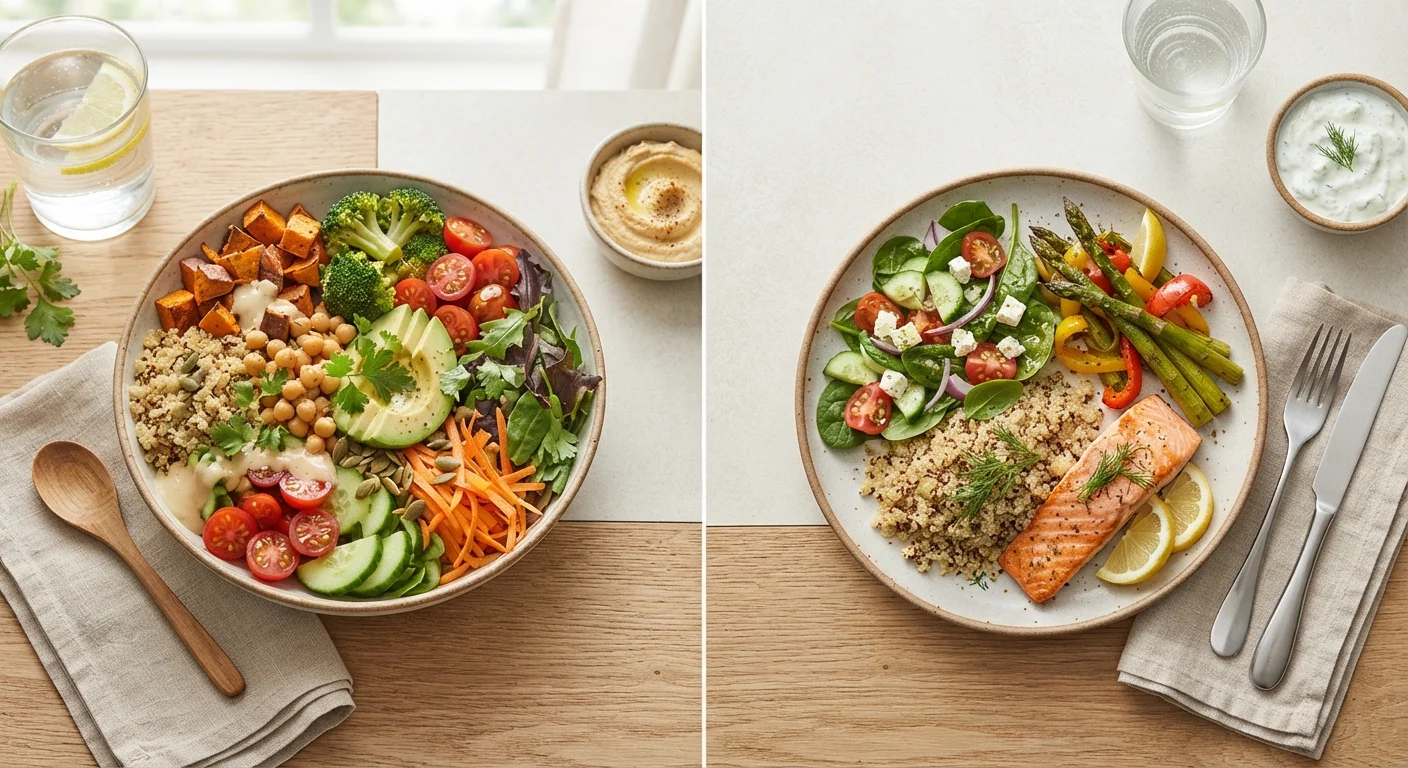
Photo: ShortwebArticles.com | Content For The Curious editorial
Key Takeaways
- Well-planned plant-based diets are linked to lower risks of heart disease, type 2 diabetes, and certain cancers.
- Omnivore diets can also be healthful when centered on whole foods, lean proteins, and plenty of vegetables.
- Plant-based eaters need to be intentional about vitamin B12, iron, zinc, calcium, and omega-3 fatty acids.
- Diet quality — not the label — is the strongest predictor of long-term health outcomes.
- A flexible, mostly plant-forward approach works well for many Americans who don't want strict dietary rules.
What These Terms Actually Mean
The phrase "plant-based diet" covers a wide range of eating patterns — from fully vegan (no animal products at all) to flexitarian approaches that include occasional meat, dairy, or eggs. What most definitions share is a primary emphasis on vegetables, fruits, legumes, whole grains, nuts, and seeds.
An omnivore diet, by contrast, includes both plant and animal foods in varying proportions. The average American omnivore diet leans heavily on meat, dairy, and processed foods — but an omnivore approach can equally be one that's rich in vegetables and whole foods with moderate animal protein.
This distinction matters: the research rarely compares "perfect plant-based" with "typical American omnivore." For a clearer picture of how food quality affects health regardless of diet type, see our look at whole foods vs. processed foods.
What the Research Says About Health Outcomes
A substantial body of observational research — including large cohort studies and systematic reviews — associates plant-based dietary patterns with lower rates of cardiovascular disease, type 2 diabetes, hypertension, and some cancers. These associations hold even after researchers adjust for lifestyle factors like smoking and physical activity.
Omnivore diets show more variable outcomes in the literature. High consumption of red and processed meats is consistently linked to increased colorectal cancer risk and cardiovascular disease. However, omnivore diets emphasizing fish, poultry, legumes, and abundant vegetables show health outcomes comparable to many plant-based patterns.
It's worth noting that most large nutrition studies are observational — meaning they can identify associations but cannot definitively prove cause and effect. Randomized controlled trials in nutrition are difficult to conduct at scale. Researchers also acknowledge that people who choose plant-based diets often differ from omnivores in other health behaviors.
~25%
Reduced cardiovascular disease risk
A 2019 meta-analysis in the Journal of the American Heart Association found vegetarian and vegan diets were associated with roughly 25% lower risk of ischemic heart disease compared to omnivore diets.
10g+
Average daily fiber gap
The USDA estimates that most Americans consume significantly less fiber than recommended, with plant-based eaters typically coming closer to adequate intake levels.
~50%
Lower greenhouse gas emissions
Research published in Nature Food estimates that vegan diets produce roughly 50% less greenhouse gas emissions per person per day compared to high-meat omnivore diets.
Nutritional Strengths and Gaps to Know
Plant-based diets are typically higher in fiber, folate, potassium, magnesium, and antioxidants. They tend to be lower in saturated fat, which is relevant for cardiovascular health. However, certain nutrients require active planning:
- Vitamin B12: Found almost exclusively in animal foods; supplementation is generally recommended for vegans.
- Iron and zinc: Present in plant foods but in a less bioavailable form than animal sources; pairing with vitamin C-rich foods can improve absorption.
- Calcium: Achievable from fortified plant milks, tofu, and leafy greens, but needs attention.
- Omega-3 fatty acids: Plant sources provide ALA, but conversion to the DHA and EPA forms found in fatty fish is limited.
- Protein: Adequate protein is achievable on plant-based diets, though variety matters. See our protein sources comparison for a detailed breakdown.
Omnivore diets naturally cover most of these nutrients but may fall short on fiber and certain phytonutrients if vegetables and legumes are underrepresented.
| Plant-Based Diet | Omnivore Diet | |
|---|---|---|
| Cardiovascular risk | Generally lower in studies | Variable; depends on food quality |
| Fiber intake | Typically high | Often lower; depends on choices |
| Vitamin B12 | Supplementation usually needed | Covered through animal foods |
| Protein flexibility | Requires planning for variety | Easily met from multiple sources |
| Saturated fat | Generally lower | Can be high with red/processed meat |
| Environmental impact | Lower greenhouse gas emissions | Higher with red meat emphasis |
| Social flexibility | Can require more planning | Easier in most settings |
| Cost (whole food focus) | Can be very affordable | Varies; meat adds cost |
You Don't Have to Choose a Label
Practicality, Cost, and Everyday Eating
One genuine advantage of omnivore eating is familiarity and flexibility — it requires fewer substitutions and is easier to navigate in social settings, restaurants, and food deserts where produce variety may be limited. Plant-based eating, when centered on whole foods like beans, lentils, oats, and seasonal vegetables, can actually be quite affordable. Our guide to eating well on a tight budget covers practical strategies that apply across both patterns.
For most people, the most sustainable approach is one that's flexible enough to maintain long-term. A largely plant-forward diet that includes some animal products when practical may offer a middle path that captures much of the health benefit without strict rules. If you're looking to structure meals without overthinking it, building a balanced plate offers a straightforward framework.
This article is for general informational purposes only and does not constitute medical or nutritional advice. Consult a registered dietitian or qualified healthcare provider before making significant changes to your diet, particularly if you have an existing health condition.
The content on this site is for informational purposes only and is not a substitute for professional advice. Always consult a qualified professional for guidance specific to your situation.