
Storage Myths That Are Making Your Home Harder to Organize

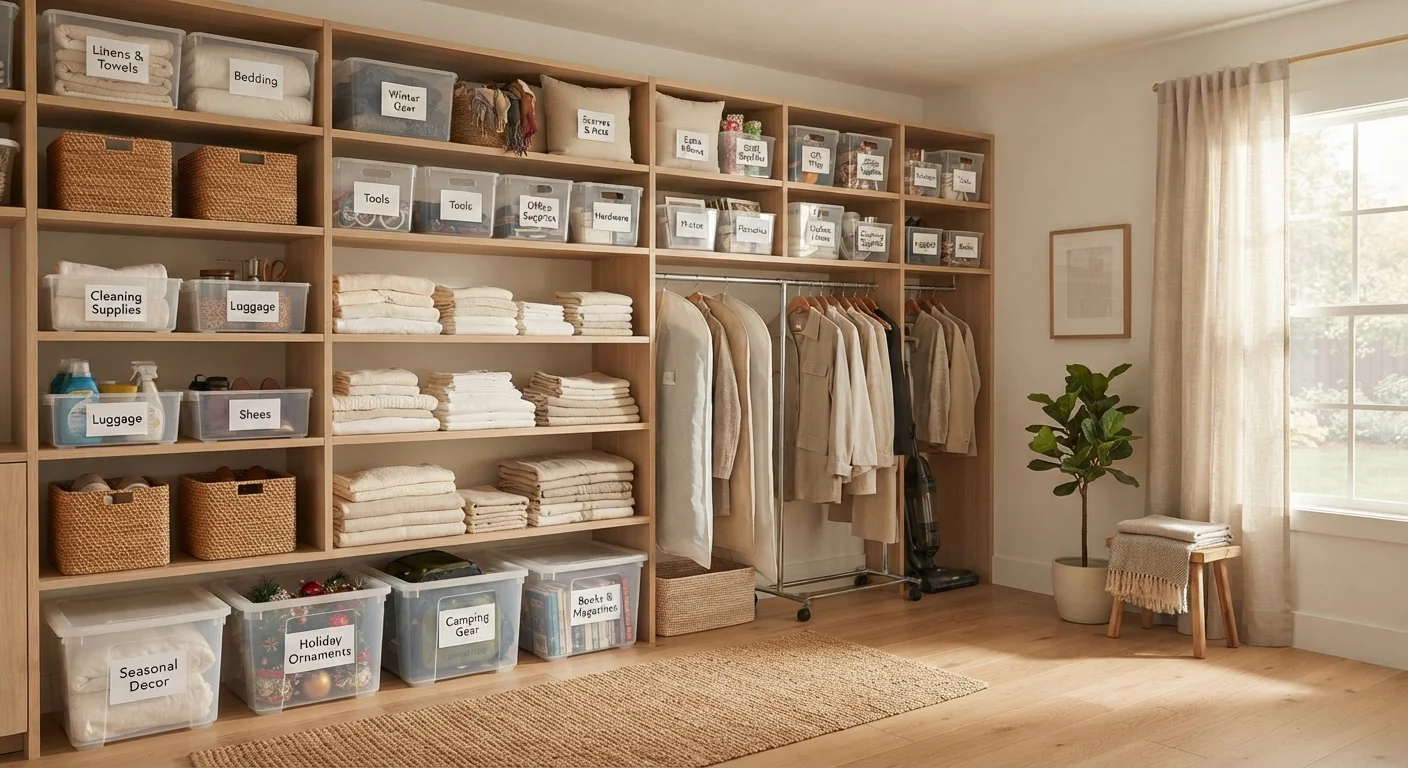
Photo: ShortwebArticles.com | Content For The Curious editorial
Key Takeaways
- Buying more storage bins before decluttering typically makes disorganization worse, not better.
- Organization is a system, not a personality trait — anyone can build effective habits with the right structure.
- Labeling and consistent return spots matter far more than perfectly matched containers.
- Vertical space and underutilized zones are often the most overlooked storage opportunities in any home.
- Sustainable organization requires maintenance routines, not just a one-time overhaul.
Why Storage Myths Take Hold
Organization advice is everywhere — social media feeds are full of immaculate pantries and color-sorted closets. That constant exposure to aspirational tidiness has seeded a set of widespread myths about how organization actually works. These myths are seductive because they feel logical on the surface, but acting on them tends to produce frustration rather than function.
Understanding where these ideas go wrong is the first step toward building storage systems that hold up in real life — not just in a photo. The myths below are among the most common, and correcting them can make a genuine difference in how your home feels to live in.
Myth
If I just buy more bins and baskets, I'll finally get organized.
Fact
Containers don't create organization — they store it. Without first reducing what you own and defining where things belong, bins just relocate clutter.
Storage products are tools, not solutions. When you add containers without a clear system, you end up with neatly boxed chaos — items get buried, bins get forgotten, and nothing is actually easier to find. The productive sequence is: sort and discard first, then assign homes for what remains, then choose containers that fit those specific needs. Skipping steps one and two makes step three expensive and ineffective.
Myth
Organized people are just naturally tidy — some people are wired that way.
Fact
Organization is a learned skill and a set of practiced habits, not an inborn personality trait.
Tidiness isn't a gene. What looks effortless in someone else's home is usually the result of deliberate systems: a specific spot for keys, a daily five-minute reset, or a rule about mail. Anyone can build these habits with the right structure. If your home feels perpetually messy, the issue is almost always a missing system — not a character flaw. For households where multiple people have different standards, shared-home organization strategies can help everyone find common ground.
Myth
Everything needs to be labeled and color-coded to stay organized.
Fact
Consistent placement matters far more than elaborate labeling. Items you use daily don't need labels — they need reliable homes.
Elaborate labeling systems work beautifully in theory and often collapse in practice when life gets busy. The real driver of a tidy space is the habit of returning things to the same place every time. Labels are most useful for infrequently accessed items — holiday decorations, archived documents, seasonal gear — where memory alone won't serve. For everyday items, a simple, visible, dedicated spot is all you need.
Myth
A smaller home means you'll never have enough storage.
Fact
Most homes — regardless of size — have significant untapped storage capacity in vertical space, door backs, and underutilized zones.
Clutter in small spaces is often a layout problem, not a square-footage problem. Walls above eye level, the backs of cabinet doors, under-bed clearance, and the space above refrigerators are routinely ignored. Addressing these zones can meaningfully increase usable storage without any renovation. If you're working with limited square footage, small-space storage strategies offer targeted approaches that make a real difference.
Myth
Open shelving looks great and keeps everything accessible.
Fact
Open shelving requires consistent upkeep and suits some households far better than others — it's not a universal win.
Exposed shelves can look polished in photos but accumulate dust, demand visual consistency, and reveal every moment of disorder. For households with young children, limited time, or a tendency toward visual clutter, closed cabinets often perform better in practice. The right choice depends on your habits and how much maintenance you're realistically willing to do. For a detailed comparison, see open shelving vs. closed cabinets.
Myth
Once you get organized, you're done.
Fact
Organization degrades naturally over time; regular maintenance habits are what keep a system functioning.
Life changes — new purchases arrive, routines shift, seasons turn. A system that worked perfectly in January may be strained by March without small adjustments. Building a brief weekly reset into your routine prevents gradual drift from becoming full-scale disorder. Why organized homes don't stay that way explores the habits that make organization sustainable rather than cyclical.
Building Systems That Actually Last
The through-line connecting all of these myths is a misunderstanding of what organization really is. It's not an aesthetic. It's not a personality type. And it's definitely not something you buy. Organization is a functional system — a set of decisions about where things live and a habit of honoring those decisions over time.
Don't Shop Before You Sort
Once you've let go of the myths, a few principles tend to serve most households well: reduce before you store, assign specific homes to frequently used items, use vertical and hidden space before buying furniture, and build a short maintenance habit into your week. Spaces like garages — notorious for absorbing everything without organizing anything — respond especially well to this approach. See the garage organization guide for a room-specific walkthrough.
If seasonal overflow is a recurring issue, seasonal rotation strategies can free up daily-use space by moving off-season items out of the way systematically rather than cramming everything in at once.
Organizing Isn't a One-Time Event
For anyone who finds clutter genuinely stressful, it helps to know that response is grounded in how the brain processes visual information — not a personal quirk. The psychology behind clutter offers useful context for understanding why disorganized spaces affect mood and focus, and how that knowledge can motivate more effective action.
The content on this site is for informational purposes only and is not a substitute for professional advice. Always consult a qualified professional for guidance specific to your situation.