
Buying a Home

Questions Worth Asking Before You Choose a Neighborhood

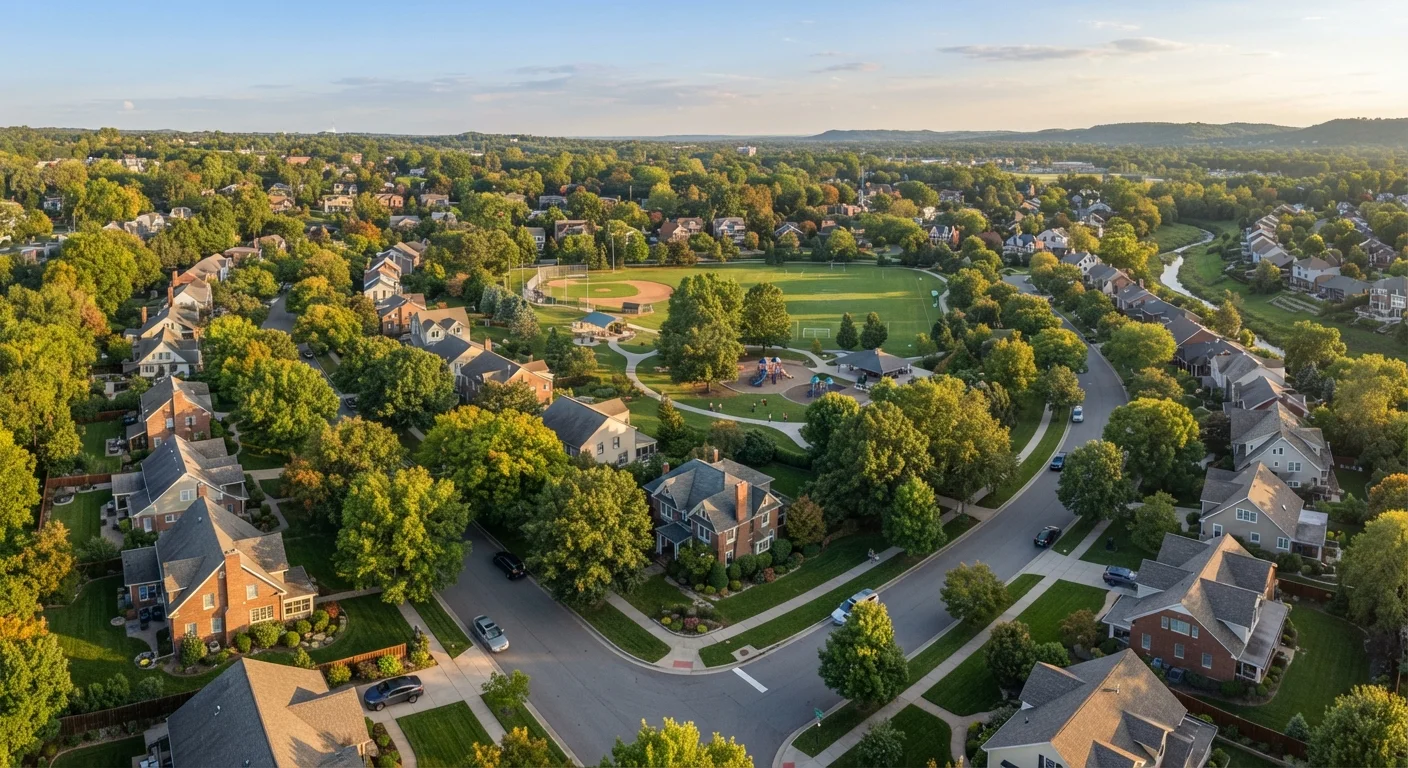
Questions Worth Asking Before You Choose a Neighborhood

Photo: ShortwebArticles.com | Content For The Curious editorial

Location shapes daily life, school access, and long-term value. Here's a practical framework for evaluating neighborhoods carefully.

Key Takeaways

  • Neighborhood fit affects daily commute, school access, safety, and long-term home value.
  • Visiting at different times of day reveals details no listing photo will show.
  • Infrastructure, zoning plans, and tax rates can significantly affect your true cost of ownership.
  • Talking to current residents is one of the most reliable ways to assess community character.
  • School district quality matters even for buyers without children, because it influences resale value.

Why Neighborhood Selection Deserves as Much Attention as the Home Itself

When buyers tour a home they love, it's easy to focus entirely on square footage, finishes, and floor plans. But experienced real estate professionals will tell you the same thing consistently: you can renovate a kitchen, but you cannot renovate a location.

Neighborhoods shape your daily routine — how long you sit in traffic, whether your kids can walk to school, how safe you feel on an evening walk, and whether your property holds its value over time. Getting this decision right requires asking structured, specific questions before you make an offer.

If you're still deciding whether buying makes sense at all, our guide on renting vs. buying can help you think through the bigger picture first.

The Questions That Actually Matter

Rather than relying on gut feeling or online ratings alone, work through these categories systematically before committing to a neighborhood.

1

Visit the neighborhood at multiple times of day and on different days of the week.

A quiet street on a Tuesday morning may look very different on a Friday night or a Saturday afternoon. Foot traffic, noise levels, parking congestion, and the general feel of a place shift throughout the week in ways that listing photos never capture.
Example: A buyer who toured a home only on weekday afternoons was surprised to find a loud weekend farmers market directly adjacent to the property — information a single evening visit would have revealed.
2

Research the school district's performance data, even if you don't have children.

School district quality is one of the most consistent predictors of property values and resale demand. Homes in higher-rated districts tend to attract more buyers and maintain stronger price floors over time, according to real estate research.
Example: Buyers in a transitional neighborhood found that the elementary school's improvement in state ratings over three years had already begun pushing comparable home prices upward.
3

Talk directly to residents, not just your real estate agent.

Agents are ethically and legally constrained from making certain statements about neighborhood character under Fair Housing laws. Residents themselves can give you firsthand insight into noise, neighbor relationships, HOA dynamics, and local issues.
Example: A prospective buyer discovered through a conversation with a neighbor that a commercial development had been approved for the adjacent vacant lot — information that wasn't yet in any public listing data.
4

Check current and proposed property tax rates and any special assessment districts.

Property taxes are a significant, recurring cost that can vary dramatically between zip codes — sometimes even between streets. Special assessment districts can add fees for infrastructure improvements that aren't immediately visible in the listing price.
Example: Two comparable homes priced identically in adjacent towns carried annual property tax differences of over $3,000 due to different municipal millage rates.
5

Look up crime data from official local sources, not just third-party aggregators.

Third-party crime mapping tools use varying methodologies and often show outdated or incomplete data. Local police department statistics, pulled directly from official sources, give you a more accurate baseline for the specific area.
Example: One buyer found that a neighborhood ranked poorly on a consumer app had a significantly lower reported property crime rate than the surrounding zip code when reviewing the city's annual public safety report directly.
6

Assess your realistic daily commute under actual traffic conditions.

Mapping apps show best-case estimates. Commute time during peak hours can be substantially longer, and this compounds into hours of lost time each week. The physical distance between your potential home and workplace may matter far less than the actual drive time.
Example: A buyer who tested the commute using navigation apps during rush hour discovered a 12-mile drive took 55 minutes — nearly double the off-peak estimate — which ultimately changed her decision about which neighborhood to prioritize.

For a broader look at how to size up local market conditions, see our local housing market checklist — especially useful if you're relocating to an unfamiliar area.

Quick Actions You Can Take This Week

You don't need to wait until you're actively under contract to start evaluating neighborhoods. Several of the most useful research steps cost nothing and take only a few hours.

high Drive or walk through your shortlisted neighborhoods on a weekday evening and again on a weekend morning to compare the atmosphere firsthand.
high Look up the local school district on your state's official education department website and review available performance and enrollment data.
medium Search the county assessor's website to confirm the current property tax rate and any active special assessment districts for addresses you're considering.
medium Pull the municipal or county planning department's website and check for any pending zoning changes or development applications near your target street.
high Use your navigation app to test the commute to your workplace during actual peak hours — not just midday or on weekends.

77%

Buyers who say neighborhood quality matters more than home size

According to the National Association of Realtors' Profile of Home Buyers and Sellers, a large majority of buyers consistently rank neighborhood quality above the size of the home itself.

Up to 25%

Price premium homes in top-rated school districts can carry

Research from the National Bureau of Economic Research and various housing economists has found that homes in higher-rated school districts often command meaningful price premiums compared to otherwise similar homes nearby.

One More Layer: Future Development and Zoning

A neighborhood that looks ideal today may change substantially over the next decade. Understanding what's planned for the surrounding area is a step many buyers skip — and later regret.

How to Research Future Development Plans

Most municipalities publish zoning maps, pending permits, and comprehensive land-use plans on their official websites. Searching the planning or development services department for your target city or county can reveal approved projects that haven't yet broken ground. Your county recorder's office may also show recorded easements or utility right-of-way agreements that could affect future land use adjacent to a property.

The balance of new construction versus existing homes in a neighborhood also affects pricing dynamics and how much negotiating leverage you might have. Our article on new construction vs. existing homes explains how that mix shapes local markets.

This article is for general informational and educational purposes only. Real estate market conditions, tax rates, and zoning regulations vary by location and change over time. Consult a licensed real estate professional and relevant local authorities before making any purchasing decision.

Real Estate Editorial Team

ShortwebArticles.com | Content For The Curious

Real Estate Editorial Team is the collective byline for our editorial team and contributor network. Articles published under this byline or an editorial pen name are researched, written, and reviewed according to our editorial standards for clarity, consistency, and independence before publication.

Renting a HomeBuying a HomeHousing Market Basics
View author profile

The content on this site is for informational purposes only and is not a substitute for professional advice. Always consult a qualified professional for guidance specific to your situation.