
What to Do in the Weeks Between Contract and Closing

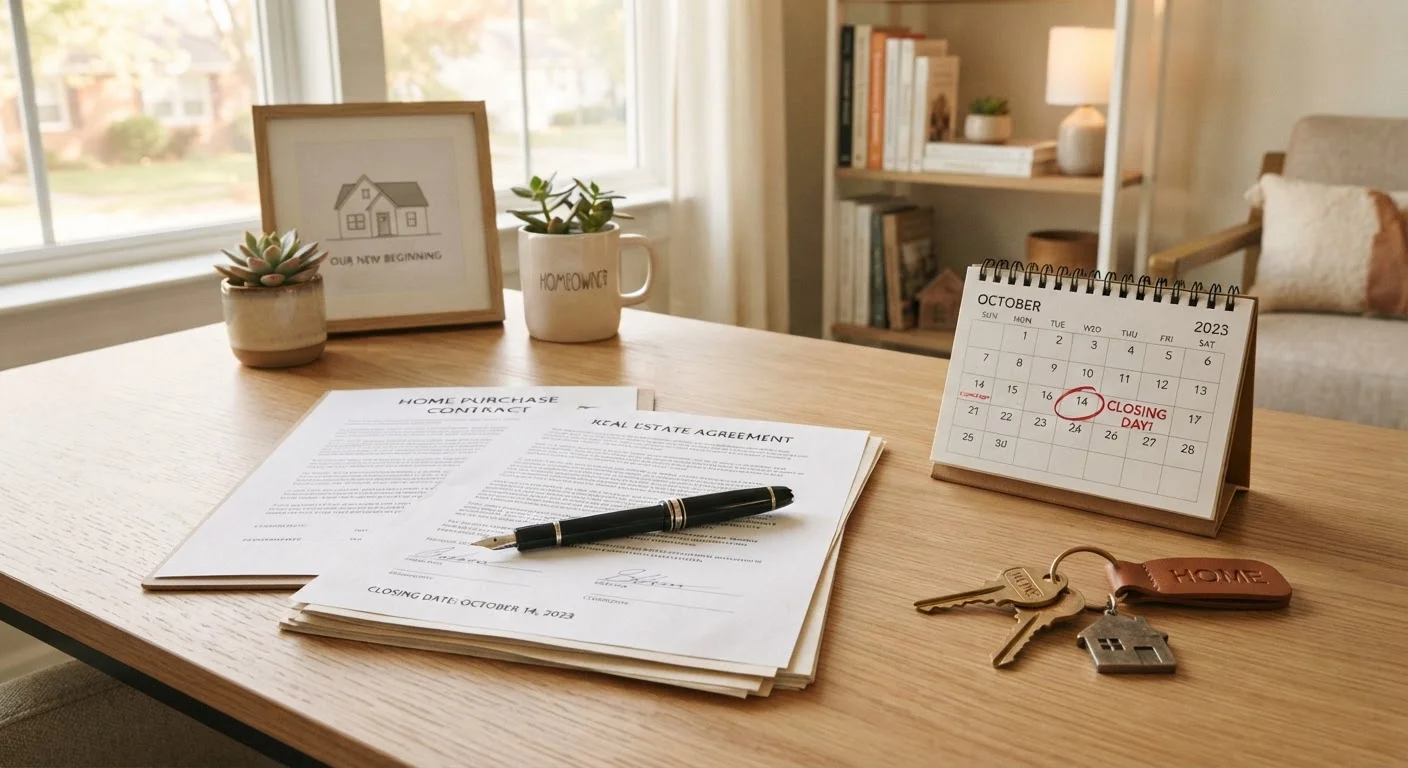
Photo: ShortwebArticles.com | Content For The Curious editorial
Key Takeaways
- The period between contract acceptance and closing typically lasts 30 to 60 days and is filled with critical deadlines.
- Missing an inspection contingency window or a lender document request can delay or kill the deal.
- Your lender, real estate agent, and title company all need timely responses — treat their requests as urgent.
- A final walkthrough before closing protects you from surprises on move-in day.
- Closing costs can add thousands to your upfront expenses — review your Closing Disclosure carefully before the table.
Why the Under-Contract Period Demands Your Attention
Getting your offer accepted feels like crossing the finish line — but in reality, it's the starting gun for a dense, deadline-driven phase of the homebuying process. The period between a signed purchase contract and closing day typically runs 30 to 60 days. Within that window, multiple parties — your lender, inspector, title company, and the seller's team — are all working in parallel, and many of their tasks require action from you.
Delays during this phase are common and often avoidable. Missed document submissions, overlooked contingency windows, or last-minute financial changes can push back your closing date or jeopardize the deal entirely. If you're not yet confident you're financially prepared for this step, see our guidance on buying a home before you're financially ready before proceeding.
The checklist below breaks the under-contract phase into logical stages so nothing slips through the cracks.
Immediately After Contract (Days 1–5)
Inspection and Due Diligence (Days 5–15)
Mortgage and Lender Tasks (Ongoing)
Title, Insurance, and Logistics (Days 15–45)
Final Steps Before Closing Day
Tools and Resources You'll Need
Before you start working through the checklist, make sure you have the right resources in place. Your real estate agent is your primary guide through this process, but several other professionals will become important during the under-contract period.
Licensed Home Inspector
Conducts the formal property inspection and provides the written report that drives repair negotiations.
Mortgage Lender / Loan Officer
Processes your loan application, orders the appraisal, and issues your Closing Disclosure.
Title Company or Closing Attorney
Performs the title search, manages escrow, and coordinates the closing paperwork.
Homeowner's Insurance Provider
Issues the insurance policy your lender requires as a condition of closing.
Real Estate Agent
Tracks contingency deadlines, communicates with the seller's agent, and guides you through negotiations.
Specialist Inspectors (structural, pest, radon, etc.)
Provide expert assessments of specific issues flagged in the general inspection report.
Once you have your team assembled, stay accessible. Return calls and emails the same day whenever possible. Lenders in particular often have hard cutoffs — a missed document request can mean a missed rate lock or a postponed closing.
Wire Fraud Is a Real Risk at Closing
What to Expect at the Closing Table
In the days before closing, your lender is required to provide a Closing Disclosure — a detailed document listing every fee, credit, and cost associated with your transaction. You'll want to compare it line by line against your original Loan Estimate. For a thorough breakdown of what each fee covers and who typically pays it, see our guide on understanding closing costs before you reach the table.
Before you arrive at the closing table, complete your final walkthrough of the property — ideally within 24 hours of closing. This is your opportunity to confirm that any agreed-upon repairs have been completed and that the property is in the expected condition. Do not skip this step.
Do Not Make Financial Changes Before Closing
After closing, you'll take possession of the keys and begin the next chapter. If you're planning renovations, our article on what to ask before hiring a contractor can help you vet professionals before any work begins.
This article is for general informational purposes only and does not constitute legal, financial, or real estate advice. Consult a licensed real estate professional for guidance specific to your transaction and jurisdiction.
The content on this site is for informational purposes only and is not a substitute for professional advice. Always consult a qualified professional for guidance specific to your situation.