
Air Filter, Cabin Filter, Spark Plugs: The Routine Replacements Drivers Forget

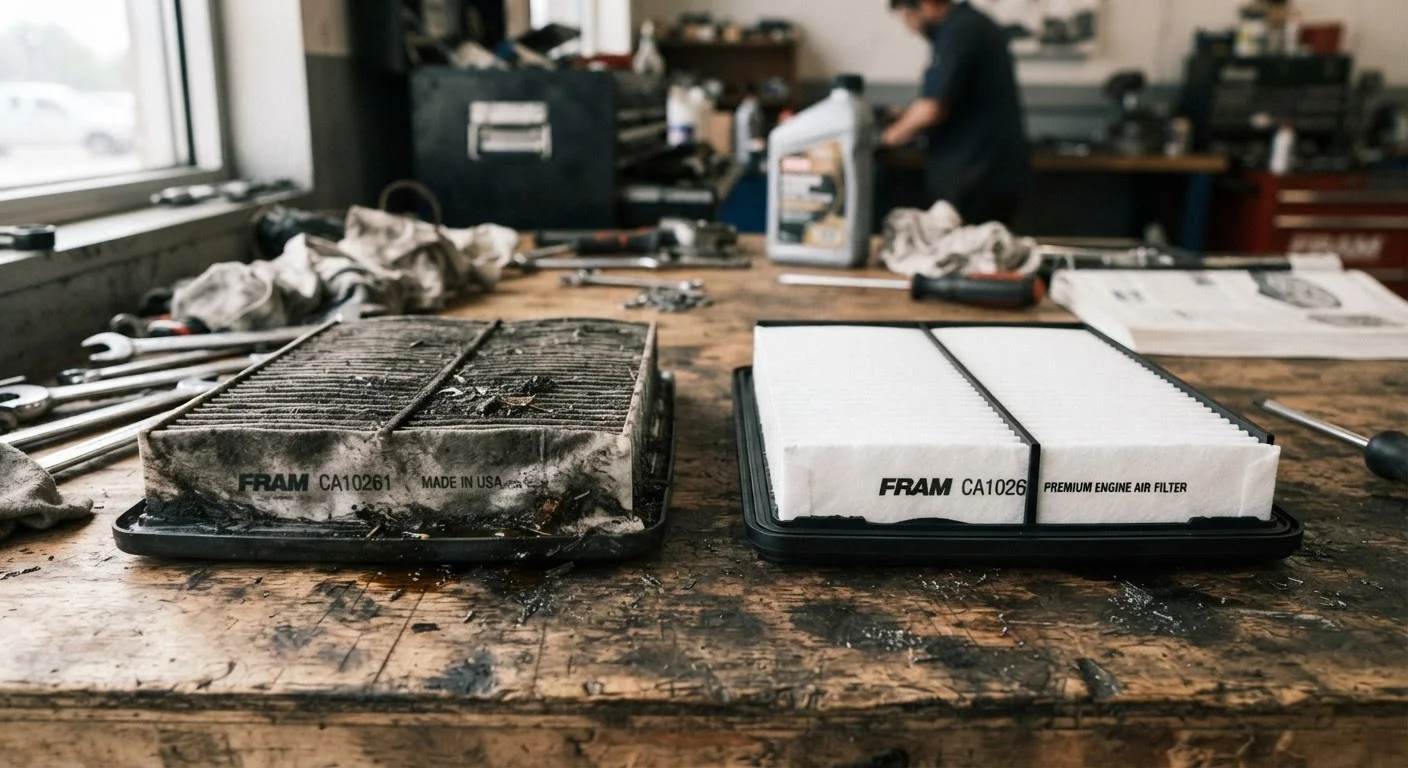
Photo: ShortwebArticles.com | Content For The Curious editorial
Key Takeaways
- Engine air filters, cabin filters, and spark plugs are among the most skipped routine maintenance items.
- Neglecting these parts can reduce fuel economy, hurt engine performance, and worsen air quality inside your car.
- Most of these replacements are inexpensive and straightforward compared to the repairs they help prevent.
- Replacement intervals vary by vehicle and driving conditions - always check your owner's manual first.
- High-mileage vehicles may need more frequent attention to all three of these components.
The Replacements That Quietly Slip Through the Cracks
Oil changes get all the attention. Tires, brakes, and coolant levels tend to come up during routine inspections. But three service items - the engine air filter, cabin air filter, and spark plugs - regularly fall off the radar for everyday drivers, often until something goes noticeably wrong.
That's partly because these parts degrade gradually. There's no warning light for a clogged cabin filter, and a misfiring spark plug might not feel dramatic until it already has. By the time symptoms appear, the damage to fuel economy or drivability has usually been building for a while.
As part of a well-rounded approach to upkeep - the kind outlined in a seasonal car maintenance schedule - these three replacements deserve a regular spot on your checklist. Here's what each one does, when it's typically due, and what happens when you let it go too long.
Engine Air Filter
The engine air filter keeps dust, debris, and contaminants out of your engine's combustion chambers. A clean filter allows the proper ratio of air to fuel; a clogged one restricts airflow and forces the engine to work harder to compensate.
Most manufacturers recommend replacing the engine air filter every 15,000 to 30,000 miles, though this range shifts depending on your environment. Drivers in dusty, dry, or rural conditions often need to replace it closer to the lower end of that range. City driving with heavy stop-and-go traffic can also accelerate buildup.
Symptoms of a dirty engine air filter can include reduced acceleration, a drop in fuel economy, or a rough idle. In some cases, a heavily clogged filter can trigger a check engine light. The fix is straightforward and relatively inexpensive - which makes delaying it hard to justify. Drivers who ignore small issues like this tend to pay for it later, as explored in this look at why small car repairs matter.
A clogged engine air filter forces your engine to work harder, hurting both performance and fuel economy.
Cabin Air Filter
The cabin air filter is easy to forget because it doesn't affect how your car drives - it affects what you breathe while you're in it. This filter cleans the air entering the passenger compartment through the heating, ventilation, and air conditioning (HVAC) system, capturing dust, pollen, mold spores, and other airborne particles.
A typical replacement interval is every 15,000 to 25,000 miles, but many drivers go much longer without realizing the filter exists. Signs it's overdue include reduced airflow from the vents, musty or stale odors when the HVAC system is running, or noticeably dusty surfaces inside the cabin.
For anyone with allergies or respiratory sensitivities, a clogged cabin filter can meaningfully worsen air quality inside the vehicle. It can also strain the blower motor over time, turning a cheap filter replacement into a more expensive HVAC repair. Your owner's manual will show the location - on many vehicles, it's accessible from behind the glove box without tools.
A neglected cabin filter doesn't just smell bad - it can worsen air quality for everyone riding in your vehicle.
Spark Plugs
Spark plugs ignite the air-fuel mixture in your engine's cylinders. When they're functioning properly, combustion is clean and consistent. When they wear out, you get incomplete combustion - which shows up as rough idling, sluggish acceleration, harder starts, and reduced fuel efficiency.
Replacement intervals vary significantly by plug type. Conventional copper plugs may need replacement every 30,000 miles. Iridium or platinum plugs, which are common in newer vehicles, can last 60,000 to 100,000 miles or more. Your owner's manual is the authoritative reference here - not the packaging on the parts shelf.
Worn spark plugs are often misread as more serious engine problems. Misfires caused by bad plugs can even damage your catalytic converter over time, escalating what was a modest maintenance expense into a costly repair. This is a case where common maintenance misconceptions can genuinely cost money - some drivers assume their plugs are fine simply because no warning light has appeared.
Worn spark plugs can mimic the symptoms of more serious engine problems - and may eventually cause them.
Don't Wait for a Symptom to Act
The pattern with all three of these parts is the same: they decline slowly, and drivers adjust without realizing it. The car feels a little less responsive, the cabin smells faintly musty, or the engine idles rough on a cold morning. Each of these can be an easy fix that got postponed too long.
Check Your Owner's Manual First
Neglecting small service items is one of the more reliable ways to turn a minor expense into a major repair. The real cost of skipping routine maintenance becomes clearest in hindsight - especially on older vehicles where these components work harder. If your car has crossed six figures on the odometer, a guide to keeping a high-mileage car running well is worth reviewing alongside your owner's manual.
None of these replacements require special tools or a deep mechanical background to understand. Knowing when they're due - and what to watch for - puts you in a stronger position to ask the right questions at your next service visit.
The content on this site is for informational purposes only and is not a substitute for professional advice. Always consult a qualified professional for guidance specific to your situation.