
Gardening & Outdoors

Fall Yard Prep Checklist Before the First Frost

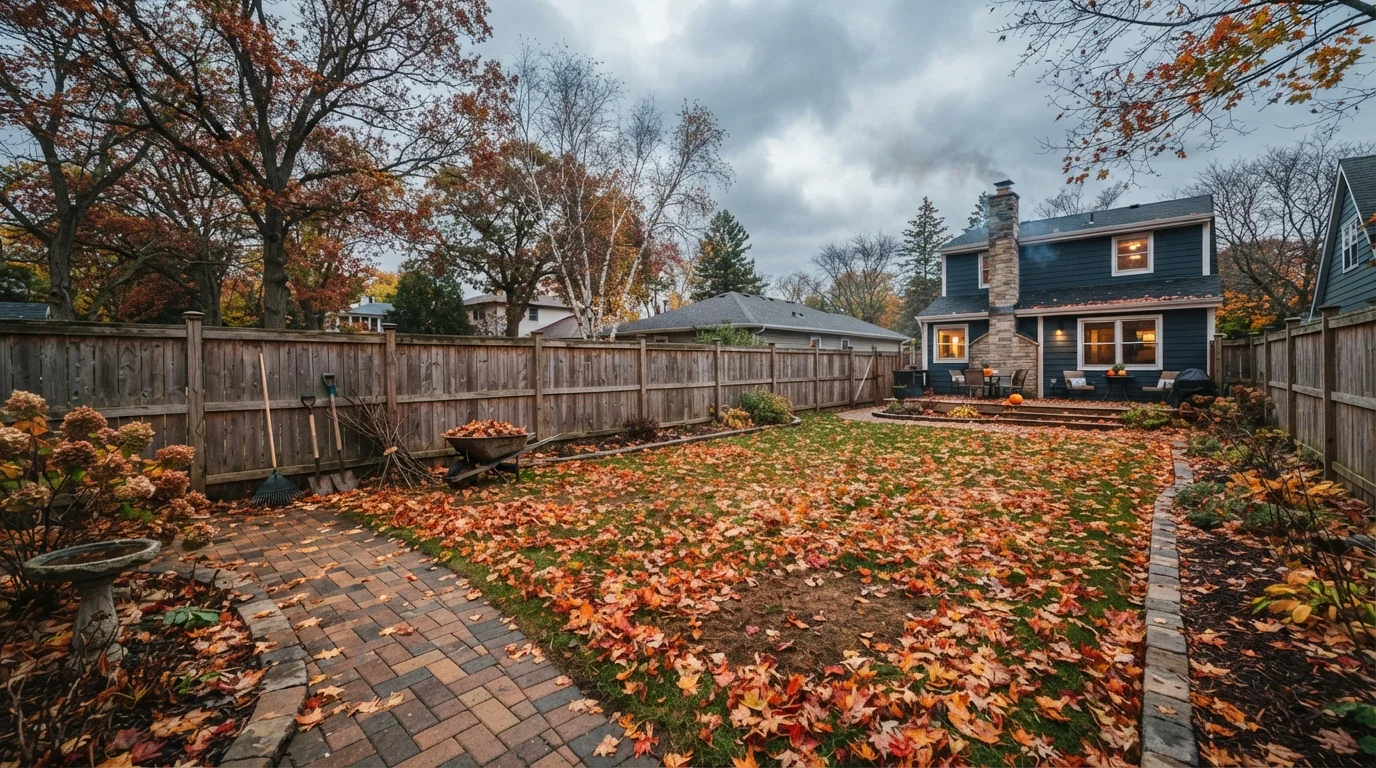
Fall Yard Prep Checklist Before the First Frost

Photo: ShortwebArticles.com | Content For The Curious editorial

Use this checklist to protect perennials, winterize irrigation, amend soil, and set your lawn and garden up for a strong spring return.

Key Takeaways

  • Cutting back perennials and mulching roots before frost protects plants from freeze damage.
  • Draining and winterizing irrigation systems prevents costly pipe cracks.
  • Fall is the best time to amend soil and overseed cool-season lawns.
  • Storing tools and containers properly extends their lifespan significantly.
  • Timing your prep around your local first-frost date makes the difference between success and plant loss.

Why Fall Yard Prep Is Worth the Effort

The weeks between late summer color and the first hard freeze are a narrow but powerful window. What you do — or skip — during this period directly shapes how your lawn and garden bounce back the following spring. Soil amendments applied in fall have all winter to integrate. Mulch laid down now insulates roots through temperature swings. Irrigation lines left full of water can crack when that water expands as it freezes.

This checklist is organized by task type so you can work through one category at a time rather than zigzagging around the yard. Check your area's average first-frost date (the USDA Plant Hardiness Zone map and local Cooperative Extension offices are reliable free resources) and aim to complete these tasks at least a week before that date. For broader context on fall home tasks beyond the yard, see our seasonal home maintenance calendar.

Required

Garden fork or aerator

Loosens compacted soil in lawn and bed areas before amendments are applied.

Required

Leaf rake and tarp

Collects fallen leaves efficiently for composting or curbside removal.

Optional

Soil test kit or mail-in kit

Determines current soil pH and nutrient levels so amendments are targeted rather than guesswork.

Required

Mulch (shredded bark, straw, or compost)

Insulates perennial root zones and garden beds against freeze-thaw temperature swings.

Required

Compressed air source or irrigation blowout attachment

Clears water from in-ground sprinkler lines before freezing temperatures arrive.

Optional

Bulb storage containers (mesh bags or cardboard boxes)

Keeps tender bulbs dry and ventilated during indoor winter storage.

The Complete Fall Yard Prep Checklist

Work through these groups in any order that suits your schedule. Items marked must are non-negotiable for plant survival and equipment protection. Should items deliver strong returns on a modest investment of time. Nice-to-have tasks are worth doing if time allows.

Lawn Care

Mow your lawn to its recommended final height (typically 2–2.5 inches for cool-season grasses) before growth stops for the season. Must
Overseed thin or bare patches with a grass variety suited to your climate zone. Should
Apply a slow-release, phosphorus-rich fertilizer formulated for fall lawn feeding to support root development over winter. Should
Rake or mulch-mow fallen leaves before they mat down and smother grass. Must
Aerate compacted areas to improve water and nutrient penetration before the ground freezes. Nice to have

Garden Beds & Perennials

Cut back dead or dying perennial stems to 3–4 inches above the ground after the foliage has fully died back. Should
Leave seed heads on ornamental grasses and coneflowers if desired — they provide winter interest and food for birds. Nice to have
Apply 2–4 inches of mulch (shredded bark, straw, or compost) over perennial root zones to buffer against freeze-thaw cycles. Must
Dig up and store tender bulbs such as dahlias, cannas, and caladiums in a cool, dry location after the first light frost blackens their foliage. Must
Plant spring-blooming bulbs (tulips, daffodils, crocuses) while soil is still workable but has cooled below 55°F. Should

Soil & Compost

Spread 1–2 inches of compost over empty garden beds and work it into the top few inches of soil. Should
Take a soil test (available through most Cooperative Extension offices) and add lime or sulfur if pH adjustment is needed. Nice to have
Turn your compost pile and add a carbon-rich layer (dry leaves, straw) to keep decomposition active through cooler temperatures. Nice to have

Irrigation & Water Features

Shut off your irrigation system's main valve and drain all lines thoroughly before the first freeze. Must
Blow out in-ground sprinkler systems with compressed air, or hire a licensed irrigation contractor if you are unfamiliar with the process. Must
Drain, clean, and store hoses, rain barrels, and portable drip-irrigation equipment indoors. Must
Disconnect and drain outdoor water features such as fountains or ponds to prevent pump and basin damage. Should

Tools, Containers & Structures

Clean soil from hand tools, sharpen edges on shovels and hoes, and apply a light coat of linseed oil to wooden handles before storing. Should
Empty terra-cotta and ceramic containers of soil, scrub them clean, and store indoors — these materials crack when wet soil freezes inside them. Must
Inspect raised beds, trellises, and garden edging for damage; make repairs now while conditions are still workable. Nice to have
Wipe down, sharpen, and safely store power equipment such as mowers and string trimmers; add fuel stabilizer or drain the tank according to the manufacturer's guidance. Should

Don't Skip the Irrigation Winterization

Water left sitting in irrigation lines, backflow preventers, or outdoor faucet supply pipes can freeze, expand, and crack the pipe or fitting — repairs can be expensive. This task is non-negotiable in any climate where temperatures regularly drop to 32°F or below. If your system is complex or you're unsure of the proper blowout procedure, a licensed irrigation contractor can complete the job quickly and inexpensively compared to the cost of spring repairs.

Setting Up for a Strong Spring

Fall prep is really spring prep in disguise. The lawn overseeding you do now gives cool-season grasses a head start before summer heat arrives. The compost you turn into beds now becomes dark, workable soil by planting time. If you're planning a vegetable garden next year, our guide to starting a vegetable garden from scratch pairs well with the soil-amendment steps in this checklist.

If water efficiency is a priority in your landscape, drought-tolerant landscaping principles can help you redesign beds over the off-season so next year's irrigation needs are lower from the start. For a full picture of what your lawn needs across all four seasons, the year-round lawn care calendar provides month-by-month guidance.

Avoid Fertilizing Too Late in the Season

Applying nitrogen-heavy fertilizer after your grass has begun going dormant can stimulate tender new growth that's vulnerable to frost damage. Use fertilizers specifically formulated for fall application, which emphasize root-supporting nutrients rather than top growth. When in doubt, check the guidance from your local Cooperative Extension service for timing specific to your region.

Home Editorial Team

ShortwebArticles.com | Content For The Curious

Home Editorial Team is the collective byline for our editorial team and contributor network. Articles published under this byline or an editorial pen name are researched, written, and reviewed according to our editorial standards for clarity, consistency, and independence before publication.

Home ImprovementGardening & OutdoorsHome Organization
View author profile

The content on this site is for informational purposes only and is not a substitute for professional advice. Always consult a qualified professional for guidance specific to your situation.