
Starting a Vegetable Garden from Scratch

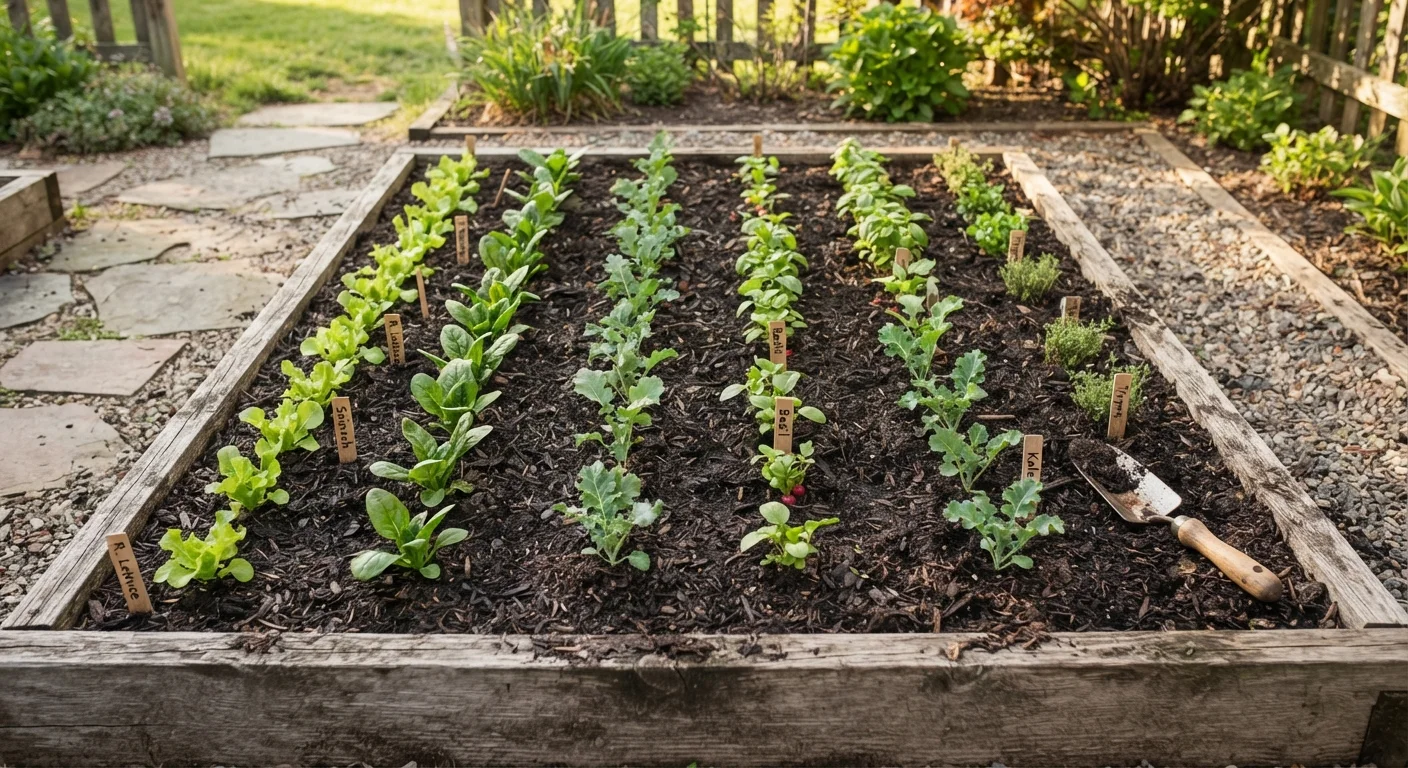
Photo: ShortwebArticles.com | Content For The Curious editorial
Key Takeaways
- Six or more hours of direct sun daily is the single most important site requirement for vegetables.
- Improving soil with compost before planting gives roots a strong, healthy foundation.
- Transplants give beginners a head start; direct-sown seeds suit crops that don't transplant well.
- Radishes, lettuce, green beans, and zucchini are among the most forgiving vegetables for new gardeners.
- Consistent watering and early pest checks prevent most common first-year problems.
Choosing the Right Spot
Site selection is the decision that shapes everything else. Vegetables are sun-hungry plants — most require a minimum of six hours of direct sunlight each day, and eight hours produces noticeably better yields for fruiting crops like tomatoes, peppers, and squash. Walk your yard at different times of day to track where shade falls from buildings, fences, and trees.
Beyond sun, look for two other things: proximity to water and reasonably level ground. Dragging a hose across the yard every evening gets old fast, so placing your garden within easy reach of an outdoor faucet makes a real difference in long-term commitment. Level or gently sloping ground helps water soak in evenly rather than running off before it reaches roots.
Direct sun
Unobstructed sunlight hitting a surface for a continuous or cumulative period each day. For vegetables, six or more hours is typically considered the minimum for productive growth.
Frost date
The average calendar date when nighttime temperatures are expected to drop to 32°F (0°C) in a given location. Last frost date marks when it's typically safe to plant frost-sensitive crops outdoors.
Soil pH
A measure of how acidic or alkaline soil is, on a scale from 0 to 14. Most vegetables grow best in a slightly acidic to neutral range of about 6.0 to 7.0.
Transplant
A young plant started from seed indoors or in a greenhouse, then moved to its permanent outdoor growing location. Transplants give gardeners a time advantage over direct seeding.
Compost
Decomposed organic material — food scraps, leaves, plant clippings — that improves soil structure, drainage, and nutrient content when worked into garden beds.
Days to maturity
The approximate number of days from planting (or transplanting) until a vegetable is ready to harvest. Listed on seed packets to help gardeners plan their planting schedule.
If your available space is shaded or your native soil is poor, a raised bed is often the most practical solution for beginners. Our guide on raised beds vs. in-ground planting walks through the cost, drainage, and effort trade-offs to help you decide.
Preparing the Soil
Healthy soil is the most important investment you can make before a single seed goes in. Vegetable roots need soil that drains well, holds some moisture, and contains enough organic matter to support steady growth. The simplest way to assess what you're working with is a basic soil test — cooperative extension services in most states offer low-cost testing that tells you your pH and key nutrient levels.
For most beginners, working two to three inches of finished compost into the top eight to ten inches of soil transforms average ground into a productive growing medium. If you'd like to build that compost yourself rather than buying it, our complete guide to backyard composting and soil building covers the full process from pile setup to finished material.
Test Before You Amend
Avoid working soil when it's wet — squeezing a handful should produce a ball that crumbles apart with a gentle poke. Tilling wet soil compacts it and damages the structure you're trying to create.
Seeds vs. Transplants
At the nursery or garden center, you'll face a practical choice: buy young plants (transplants) ready to go in the ground, or start from seed. Both paths lead to a productive garden — the right answer depends on the crop and your timeline.
- Transplants give you a four to eight week head start. They're ideal for slow-growing crops — tomatoes, peppers, eggplant, and broccoli — where starting from seed indoors requires grow lights and careful timing most beginners don't have set up yet.
- Direct-sown seeds are better for crops that dislike having their roots disturbed: carrots, beets, radishes, beans, peas, and squash. These germinate quickly and grow better when sown directly where they'll mature.
Read the Seed Packet First
Reading seed packets carefully saves a lot of confusion. Packets list days to maturity, planting depth, spacing, and whether the crop prefers cool or warm conditions — all of the information you need to plan your timing.
Best Vegetables for First-Time Growers
Choosing forgiving, fast-rewarding vegetables keeps enthusiasm high while you're still building skills. These are widely recognized as reliable options for beginners across most of the U.S.:
- Radishes: Ready in 25–30 days, almost zero pest pressure, and they use very little space.
- Lettuce and salad greens: Can be harvested leaf by leaf, tolerate light shade, and thrive in cool weather — a perfect spring or fall crop.
- Green beans (bush type): No staking required, productive over several weeks, and straightforward to direct sow.
- Zucchini and summer squash: Famously productive; one or two plants typically produce more than a small family needs.
- Cherry tomatoes: More forgiving than large slicing varieties and quicker to fruit. Choose a determinate or patio variety for small spaces.
- Kale: Cold-tolerant, slow to bolt, and can be harvested continuously through much of the season.
As you gain confidence, you can add crops that demand more attention — like sweet corn, melons, or onions — in future seasons.
Keeping Your Garden Going
Planting is the exciting part; maintenance is what determines your harvest. Three habits carry the most weight for beginner gardeners:
- Water consistently. Irregular watering — dry spells followed by drenching — stresses plants and causes problems like blossom end rot in tomatoes and bitter lettuce. Aim for steady, even moisture rather than large, infrequent doses.
- Check on your plants every few days. Early detection is the most effective form of pest and disease management. Catching an aphid infestation or a fungal spot in its early stages is far easier than dealing with it after it has spread. Our pest and disease identification guide is a useful reference for recognizing common problems.
- Keep up with weeding. Weeds compete directly with vegetables for water and nutrients. Pulling them when they're small — before they set seed — takes minutes rather than hours.
Resist the Urge to Overplant
First-time gardeners often try to do too much at once. A well-tended 4×8-foot bed will produce more food and more satisfaction than a sprawling, neglected plot. Start small, learn as you go, and expand next season with confidence.
Frequently Asked Questions
The content on this site is for informational purposes only and is not a substitute for professional advice. Always consult a qualified professional for guidance specific to your situation.