
Raised Beds vs. In-Ground Planting: Which Garden Setup Works Better for You

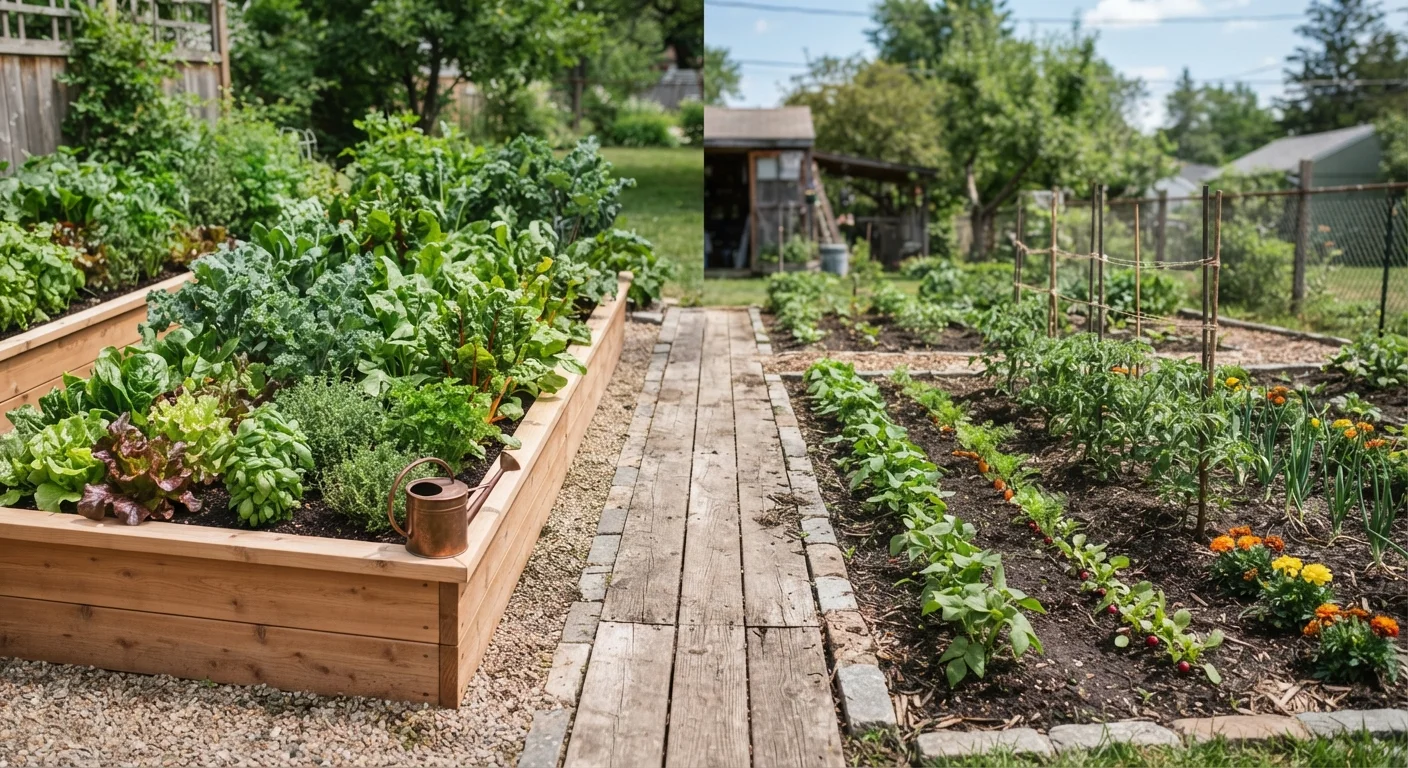
Photo: ShortwebArticles.com | Content For The Curious editorial
Key Takeaways
- Raised beds offer superior drainage, soil control, and easier access but require higher upfront materials cost.
- In-ground planting is less expensive to start and suits large-scale plantings and deep-rooted perennials.
- Soil quality in your yard is often the single biggest factor in deciding which approach makes sense.
- Raised beds warm up faster in spring, giving plants a head start in cooler climates.
- In-ground gardens need less frequent watering due to deeper soil moisture retention.
- Both methods can be highly productive when matched to the right plants, site, and gardener.
The Core Difference: Soil Control vs. Natural Scale
The choice between a raised bed and in-ground planting often comes down to one question: how much control do you want over your growing environment, and what are you willing to invest to get it?
Raised beds are enclosed structures — wood, metal, stone, or composite — filled with imported growing media. You decide exactly what goes in. In-ground planting means working with whatever your yard already has, amending it over time with compost, mulch, and organic matter.
Neither approach is universally better. What matters is how each fits your soil conditions, physical ability, budget, and the types of plants you want to grow. If you're just getting started, our guide to starting a vegetable garden from scratch covers foundational decisions that apply to both methods.
| Criterion | Raised Beds | In-Ground Planting |
|---|---|---|
| Upfront cost | Moderate to high | Low to minimal |
| Soil control | Full — you choose the mix | Limited — depends on native soil |
| Drainage | Excellent by design | Varies by site and soil type |
| Watering frequency | Higher — dries out faster | Lower — deeper moisture access |
| Spring warm-up | Earlier — smaller soil volume | Slower in cold climates |
| Weed pressure | Generally lower at first | Often higher, especially early on |
| Accessibility | High — less bending required | Lower — kneeling often needed |
| Scalability | Limited by cost and space | Easily scaled to large areas |
| Best plant types | Annuals, herbs, root crops | Perennials, trees, large sprawlers |
Cost, Setup, and Long-Term Commitment
Upfront costs differ significantly. A basic 4×8-foot raised bed using cedar lumber, hardware, and quality soil mix can run $100–$300 or more depending on materials and region. Scale that to multiple beds and the investment climbs quickly. In-ground planting, by contrast, may require only a shovel, compost, and seeds to begin — particularly if your existing soil is workable.
That said, raised beds tend to pay off over time. Because soil stays loose and uncompacted (no foot traffic inside the bed), you rarely need to till. Weed pressure is typically lower, especially in the first few seasons when the imported soil hasn't yet acquired a local weed seed bank. Over years, a well-maintained raised bed often requires less corrective intervention than an in-ground plot.
In-ground gardens improve gradually. Consistent additions of compost and organic matter — topics covered thoroughly in our complete guide to soil building — can transform poor native soil into a productive growing environment, but this takes multiple seasons.
6–8 in.
Minimum raised bed depth for most vegetables
Most cooperative extension services recommend at least 6 to 8 inches of growing medium for shallow-rooted crops, with 12 inches preferred for root vegetables.
2–3×
Faster spring soil warm-up vs. ground
Small soil volumes in raised beds can warm up noticeably faster than open ground in early spring, supporting earlier planting in cooler regions.
30–50%
Potential reduction in tilling effort over time
Because raised bed soil stays uncompacted without foot traffic, many gardeners find they rarely need to till after the initial setup season.
Drainage, Watering, and Seasonal Timing
Drainage is where raised beds consistently shine. Elevated above ground level and filled with a loose, well-structured soil mix, they shed excess water efficiently — a real advantage in areas prone to heavy rainfall or with slow-draining clay soils. Waterlogged roots are one of the most common causes of plant failure, and raised beds largely eliminate that risk.
The trade-off: raised beds dry out faster. In hot or dry climates, they may need watering more frequently than in-ground gardens, where roots can follow moisture deeper into the soil profile. Drip irrigation or soaker hoses help manage this, but add to the overall system cost. For a deeper look at efficient watering habits, see our guide to garden watering myths.
Raised beds also warm up earlier in spring. The smaller soil volume heats faster than the ground, which means earlier planting dates in cooler climates — a meaningful advantage for short-season gardeners. In-ground soil retains heat longer into fall, benefiting warm-season crops in mild regions.
A Note on Soil Contamination
Which Plants Thrive in Each Setup
Plant selection matters when choosing a garden format. Raised beds are particularly well-suited to annual vegetables — lettuce, tomatoes, peppers, herbs, and root crops like carrots and radishes. The contained, customizable soil lets you optimize for each crop's preferences. Shallow-rooted crops especially benefit from the loose, airy structure a good raised bed mix provides.
In-ground planting is often the better fit for deep-rooted or sprawling plants. Fruit trees, berry canes, asparagus, winter squash, and many flowering perennials want room to spread. Restricting their root systems in a raised bed can limit long-term productivity or require oversized structures. Large-scale plantings of native species — which tend to develop extensive root systems — are also better suited to in-ground installation, a point worth keeping in mind as you explore trade-offs between native and non-native plants.
Good mulching practice benefits both approaches by retaining moisture, moderating temperature, and suppressing weeds. Our guide to mulching fundamentals outlines which materials work best and where.
The content on this site is for informational purposes only and is not a substitute for professional advice. Always consult a qualified professional for guidance specific to your situation.