
Pest and Disease Identification in the Home Garden

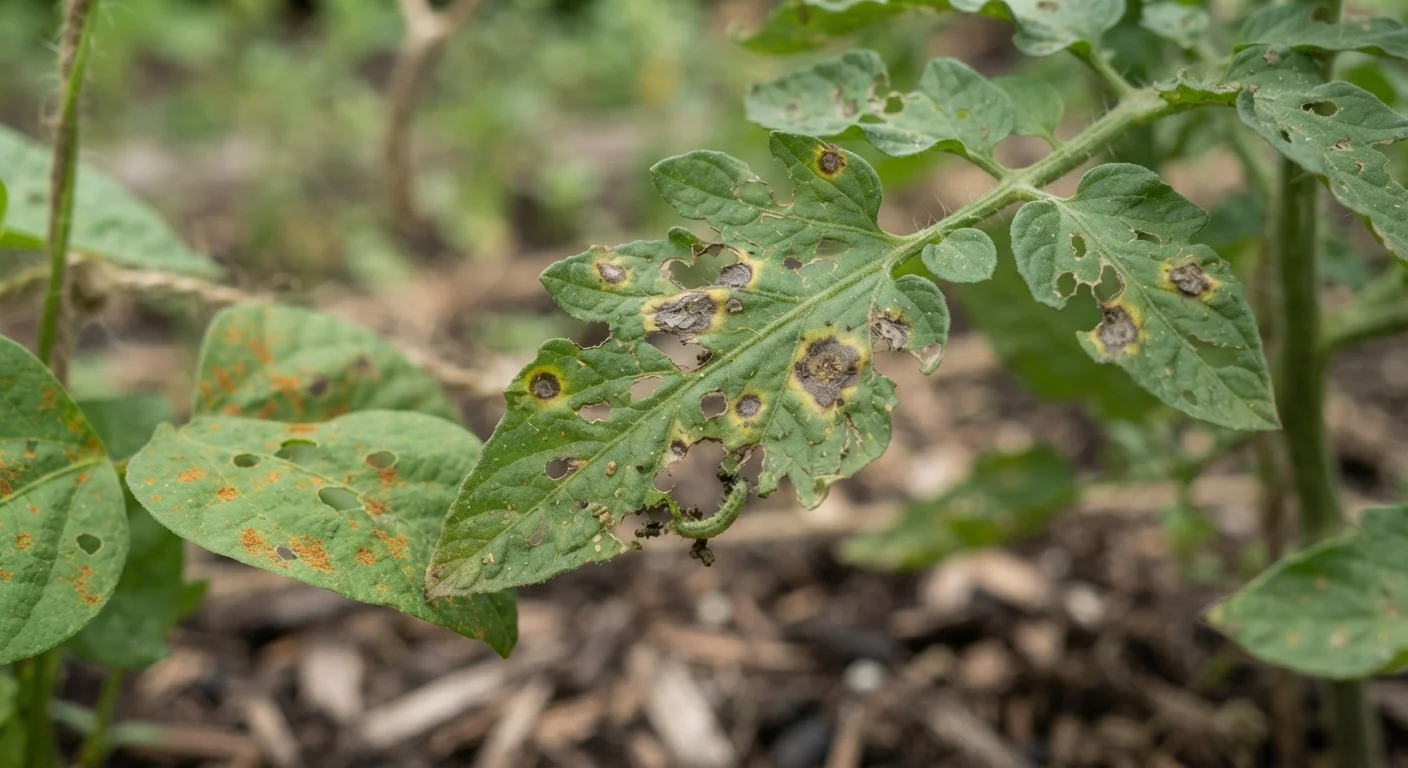
Photo: ShortwebArticles.com | Content For The Curious editorial
Why Identification Comes First
Before reaching for any treatment, the most important step in managing garden problems is accurate identification. Applying the wrong remedy — or treating a fungal issue as a pest problem — wastes time, stresses plants, and can make conditions worse. This reference covers the insects, fungi, and bacterial issues most commonly encountered in American home gardens, organized by what they look like and what they target.
If you're just getting started growing food, see our guide to starting a vegetable garden from scratch for foundational context before troubleshooting problems.
| Most common vegetable pest | Aphids (multiple species) (U.S. cooperative extension resources) |
| Most widespread fungal disease | Powdery mildew (University extension plant pathology guides) |
| Key diagnostic habit | Check leaf undersides first |
| Bacterial wilt quick test | Slow stem-pull thread test (Iowa State University Extension) |
| Best prevention strategy | Crop rotation + healthy soil |
| When to consult an expert | Unidentified rapid plant death or repeated losses |
Common Garden Insects and What They Do
Not every insect in the garden is a problem — many are beneficial. Focus on signs of feeding damage first, then look for the insect itself.
- Aphids: Tiny, soft-bodied insects (green, black, or white) that cluster on new growth and leaf undersides. They cause curled, yellowed, or sticky leaves. Affect a wide range of vegetables, roses, and ornamentals.
- Whiteflies: Tiny white-winged insects that rise in clouds when disturbed. They suck sap from tomatoes, squash, and many ornamentals, leaving yellowing foliage and sticky residue called honeydew.
- Squash vine borers: The larvae burrow into squash and zucchini stems, causing sudden wilt. Look for a small entry hole and sawdust-like frass at the base of the stem.
- Tomato hornworms: Large green caterpillars with white stripes and a horn-like tail. They strip foliage rapidly from tomatoes and peppers. Look for dark frass pellets below damaged branches.
- Spider mites: Nearly invisible to the naked eye, these cause stippled, bronzed foliage and fine webbing on leaf undersides. They thrive in hot, dry conditions and attack many plants.
- Cabbage loopers and imported cabbageworms: Pale green caterpillars that chew irregular holes in brassica leaves (cabbage, kale, broccoli). Eggs are laid on leaf undersides.
- Cucumber beetles: Yellow-green beetles with black stripes or spots that damage cucumbers, melons, and squash. They also vector bacterial wilt disease.
Frass
The droppings or excrement left behind by insect larvae, often appearing as small dark pellets or sawdust-like material near feeding sites. It is a useful diagnostic clue when the insect itself is hidden.
Honeydew
A sticky, sugary substance excreted by sap-sucking insects such as aphids and whiteflies. It coats leaf surfaces and often promotes the growth of sooty mold.
Vector
An organism that transmits a disease-causing agent from one plant to another. For example, cucumber beetles vector bacterial wilt by carrying the pathogen in their gut.
Fusarium wilt
A soil-borne fungal disease that blocks a plant's vascular system, causing wilting and yellowing that cannot be reversed by watering. It persists in soil for years.
Brassica
A plant family that includes cabbage, kale, broccoli, Brussels sprouts, and mustard greens. These plants share many common pests and are often grouped together in garden planning.
Cooperative Extension
A network of land-grant university programs across the U.S. that provides research-based, region-specific information to home gardeners, farmers, and the public — often available for free.
Fungal and Bacterial Diseases to Know
Disease symptoms often look similar, but the cause matters. Most fungal issues are linked to excess moisture and poor air circulation; bacterial problems often follow physical injury or insect feeding wounds.
Look-Alike Symptoms Can Mislead
- Powdery mildew: A white or gray powdery coating on leaf surfaces. Affects squash, cucumbers, roses, and many others. Worse in warm days with cool nights and poor airflow — not typically caused by overhead watering.
- Downy mildew: Yellow patches on leaf tops with a grayish-purple fuzzy growth on undersides. Common on cucumbers, basil, and impatiens. Spreads rapidly in humid, cool conditions.
- Early blight (Alternaria): Dark brown spots with concentric rings (resembling a target) on lower tomato and potato leaves first. Progresses upward as the season advances.
- Late blight: Water-soaked, irregular dark lesions on tomato and potato leaves and stems, often with a white mold border in humid weather. This is the disease responsible for the Irish potato famine and spreads rapidly in cool, wet conditions.
- Fusarium and Verticillium wilt: Soil-borne fungi that cause progressive wilting, yellowing on one side of the plant, and brown streaking inside stems. Common in tomatoes, melons, and strawberries.
- Bacterial wilt: Rapid, complete collapse of cucumber and squash plants. Diagnosed by cutting a stem and slowly pulling the cut ends apart — a thin, thread-like bacterial strand will bridge the gap.
- Black spot (roses): Circular black spots with fringed edges on rose leaves, causing defoliation. Spreads through splashing water and overwinters in fallen leaf debris.
Healthy soil goes a long way toward disease prevention. See our complete guide to soil building and raised beds for strategies that improve plant resilience from the ground up.
A Practical Approach to Managing Problems
Once you've identified the issue, these general principles guide a sensible response:
- Remove affected material promptly. Clip and dispose of (do not compost) diseased leaves, infested stems, or egg masses to reduce spread.
- Improve conditions. Many problems intensify when plants are overcrowded, overwatered, or stressed. Improving spacing and drainage addresses root causes.
- Encourage beneficial insects. Ladybugs, lacewings, parasitic wasps, and ground beetles prey on common pests. Planting diverse flowering plants supports their presence.
- Use targeted interventions last. Physical removal, insect netting, and cultural changes are always preferable to broad-spectrum treatments that affect non-target organisms.
For improving soil health as a preventive measure, composting at home is one of the most effective long-term strategies available to home gardeners.
This article provides general gardening education only. Specific pest or disease management decisions may be affected by local regulations regarding pesticide use. Always read product labels in full and consult your local cooperative extension service for region-specific guidance.
The content on this site is for informational purposes only and is not a substitute for professional advice. Always consult a qualified professional for guidance specific to your situation.