
Lawn Care Through the Seasons: A Year-Round Calendar for American Yards

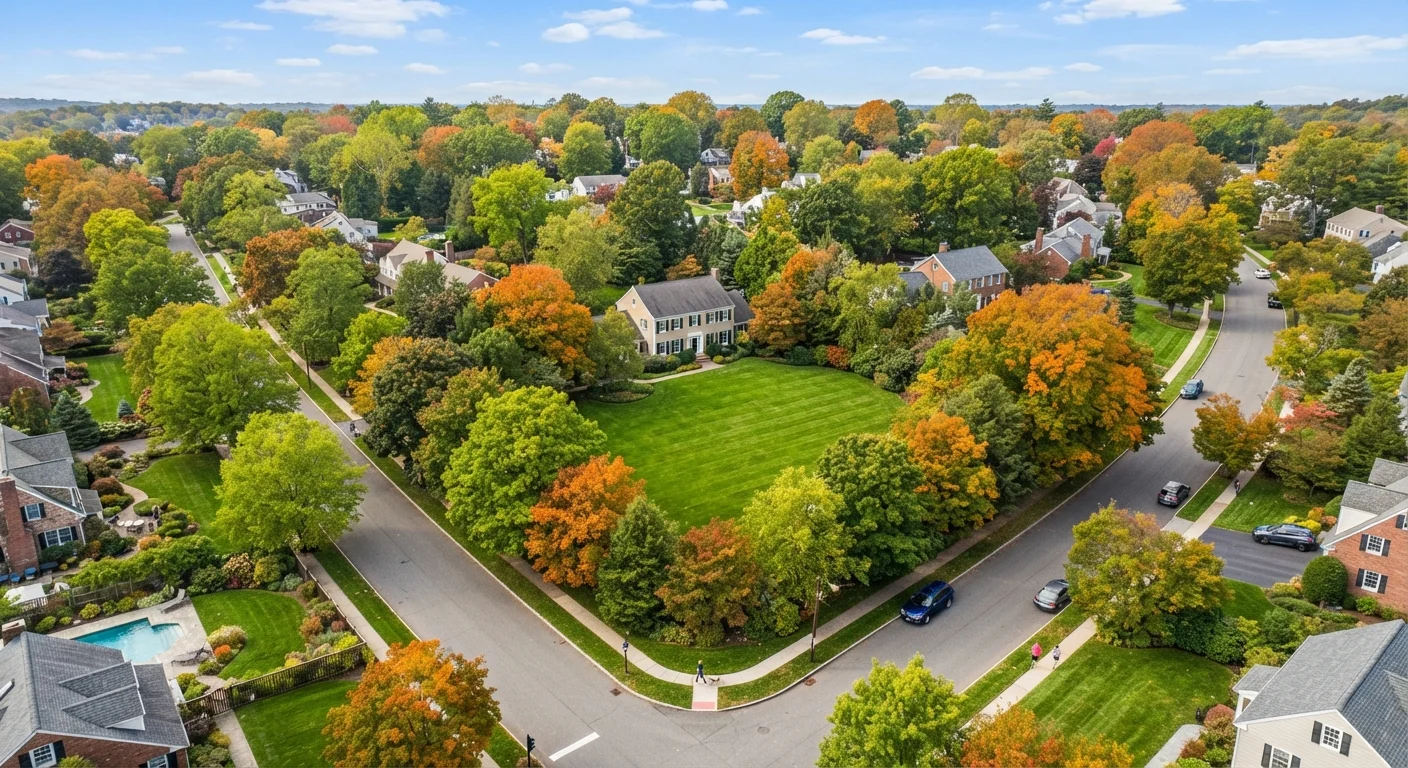
Photo: ShortwebArticles.com | Content For The Curious editorial
Spring: Wake-Up Work (March–May)
Spring is when your lawn transitions out of dormancy, and timing matters. Moving too fast — fertilizing before soil temperatures reach around 55°F — wastes product and can stress turf. Start by raking out dead thatch and debris once the ground is no longer soggy. This improves airflow and reveals thin or bare patches that need overseeding.
Cool-season grasses like Kentucky bluegrass and tall fescue actively grow now and benefit from a light application of a balanced fertilizer in mid-spring. Warm-season grasses (Bermuda, Zoysia, St. Augustine) are still dormant in most of the country until soil temps reliably hit 65°F — hold off fertilizing them until late spring.
Spring is also the window for pre-emergent weed control if crabgrass is a recurring problem. Apply before soil temps hit 55–60°F at a 2-inch depth — roughly when forsythia blooms. After that point, pre-emergents lose most of their effectiveness. For watering guidance that holds up all year, see common watering myths that can quietly damage a recovering lawn.
| Ideal mowing height (cool-season) | 3–4 inches in summer; 2.5 inches heading into winter |
| Ideal mowing height (warm-season) | 1–2.5 inches depending on variety |
| Weekly water target | About 1 inch from rain or irrigation |
| Pre-emergent timing | Soil temp 55–60°F at 2-inch depth (spring) |
| Best fertilizing season (cool-season) | Early fall; light feeding mid-spring |
| Best fertilizing season (warm-season) | Late spring through midsummer |
| Core aeration timing | Early fall (cool-season); late spring (warm-season) |
| One-third mowing rule | Never remove more than one-third of blade length per mow |
Summer: Stress Management (June–August)
Summer lawn care is mostly about protecting what you have. Heat and drought push cool-season grasses into semi-dormancy — a normal survival response, not a sign of failure. Resist the urge to fertilize cool-season lawns in midsummer; nitrogen during heat stress encourages disease and burn.
Mow high. Raising your mower deck to 3.5–4 inches shades the soil, reduces moisture loss, and discourages weeds. The one-third rule applies year-round: never remove more than one-third of the blade length in a single mowing. Cutting too short weakens root systems.
Water deeply and infrequently — most established lawns need about 1 inch per week from rain or irrigation. Early morning watering minimizes evaporation and fungal risk. Warm-season grasses peak now and can handle a summer fertilizer application. If your property leans toward drought conditions, drought-tolerant landscaping principles offer longer-term alternatives worth considering.
Fall: The Most Important Season for Cool-Season Lawns (September–November)
If you invest in only one active lawn season, make it fall — at least for cool-season grasses. Temperatures cool, roots grow aggressively, and the lawn can recover from summer stress before winter arrives.
Core aeration in early fall breaks up compaction, improves drainage, and creates ideal conditions for overseeding. Follow aeration with overseeding bare or thin areas. Fall fertilization — sometimes called a "winterizer" application — loads the roots with nutrients that carry the grass through dormancy and fuel faster green-up next spring. A slow-release, higher-potassium formula is often recommended for the final fall feeding.
Keep mowing until growth actually stops, gradually lowering the blade height toward 2.5 inches as temperatures drop. Mulch fallen leaves with your mower rather than raking every pass — finely shredded leaves decompose and feed the soil. For a complete fall yard checklist beyond just the lawn, the Fall Yard Prep Checklist is a practical companion guide.
Thatch
A layer of dead grass stems, roots, and organic debris that accumulates between the soil surface and living grass blades. Thin thatch (under half an inch) is normal; thick thatch blocks water and fertilizer from reaching roots.
Core aeration
A mechanical process that removes small plugs of soil from the lawn to relieve compaction, improve air and water penetration, and encourage deeper root growth. Best done in the active growing season for your grass type.
Pre-emergent herbicide
A weed-control product applied to soil before weed seeds germinate. It creates a barrier that prevents sprouting rather than killing established weeds — timing relative to soil temperature is critical.
Cool-season grass
Grass varieties that grow most actively in spring and fall when temperatures are between 60–75°F. Common types include Kentucky bluegrass, tall fescue, and perennial ryegrass, prevalent in northern U.S. regions.
Warm-season grass
Grass varieties that peak in summer heat, typically between 80–95°F, and go dormant in cool weather. Common types include Bermudagrass, Zoysiagrass, and St. Augustinegrass, predominant in southern states.
Overseeding
The practice of spreading grass seed over an existing lawn without full soil preparation. Used to thicken thin turf, fill bare patches, or introduce improved grass varieties into an established stand.
Winter: Rest and Readiness (December–February)
Dormant lawns don't need much, but they still need respect. Avoid walking repeatedly across frozen or frost-covered turf — frozen grass blades are brittle and foot traffic creates visible dead lines that persist into spring.
Winter is a good time for tool maintenance: sharpen mower blades, change engine oil, and inspect your spreader and sprinkler heads. A sharp blade makes a clean cut that heals faster and resists disease; a dull blade tears grass, leaving ragged edges that brown quickly.
Use downtime to review last year's results. Did you have bare patches, persistent weeds, or drought damage? Identify the likely cause now so you can adjust your spring approach. Lawn care fits into a broader rhythm of seasonal home upkeep — see seasonal home maintenance tasks for the full picture of what each season demands around the house. Before committing to another year of intensive lawn maintenance, it may also be worth reading the real case for and against a home lawn — an honest look at the actual costs and trade-offs of turfgrass.
The content on this site is for informational purposes only and is not a substitute for professional advice. Always consult a qualified professional for guidance specific to your situation.