
The Real Case For and Against a Home Lawn

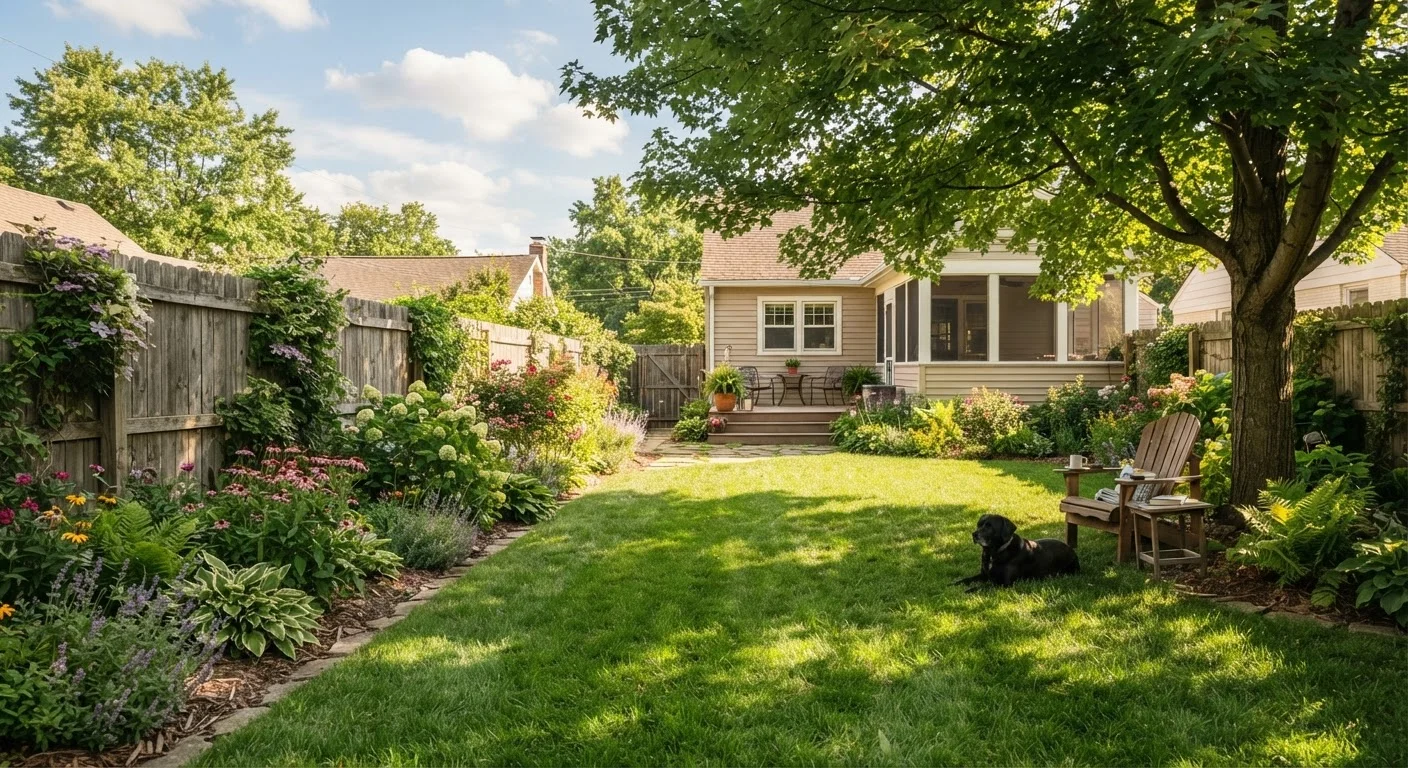
Photo: ShortwebArticles.com | Content For The Curious editorial
Key Takeaways
- A lawn provides usable outdoor space, curb appeal, and some environmental benefits like cooling and erosion control.
- Turfgrass requires consistent water, fertilizer, mowing, and weed management — costs that add up quickly.
- In dry climates, lawns can strain water resources significantly compared to low-water alternatives.
- Lawn alternatives like native groundcovers or mulched beds can reduce maintenance without sacrificing yard function.
- Whether a lawn is worth it depends heavily on your climate, how you use your yard, and your maintenance capacity.
Provides a durable, usable surface for activity
Turfgrass handles foot traffic, sports, and play in a way most groundcovers can't. For families with kids or dogs, a lawn offers a forgiving surface that bounces back from regular use.
Cools the surrounding area through transpiration
Grass releases moisture as it grows, which can reduce ground-surface temperatures compared to paving or gravel. This cooling effect is measurable in hot summers.
Reduces soil erosion on slopes and open ground
Dense turf root systems bind soil, slowing runoff during heavy rain events. This matters especially on sloped yards where bare soil would wash away quickly.
Contributes to curb appeal and property presentation
A maintained lawn remains a strong visual expectation in many American neighborhoods. In some HOA communities, it may even be required or assumed as part of exterior upkeep.
Relatively straightforward to establish and repair
Sod and grass seed are widely available and easy to install for most homeowners. Bare patches can be overseeded without starting over entirely, unlike some landscape alternatives.
High water demand, especially in dry climates
Turfgrass typically needs one inch of water per week during the growing season. In arid or semi-arid regions, this places a real burden on household water use and utility bills.
Ongoing fertilizer and chemical inputs required
Maintaining dense, green turf usually involves fertilizing several times a year, plus herbicides for weeds and sometimes pesticides for grubs or other pests. These add up in cost and environmental impact.
Regular mowing is time-consuming and costly
Most lawns need mowing every one to two weeks during the growing season. Whether you do it yourself or hire a service, this is a recurring commitment of time or money.
Limited ecological value compared to diverse plantings
A monoculture lawn supports very little wildlife — it offers minimal habitat or food for pollinators, birds, or other beneficial insects compared to native plantings or mixed groundcovers.
Fertilizer runoff can impact local waterways
Nitrogen and phosphorus from lawn fertilizers can wash into storm drains and eventually into streams and lakes, contributing to algae blooms and water quality issues downstream.
Grass doesn't thrive in all conditions
Dense shade, heavy clay soil, and drought stress can make maintaining a healthy lawn a constant uphill battle in some yards. Struggling turf often ends up looking worse than a planned alternative.
Why Lawns Became the American Default
The front and back lawn is one of the most recognizable features of American residential life — so much so that many homeowners inherit one without ever actively choosing it. Turfgrass became the standard yard surface through a mix of post-war suburban expansion, the rise of affordable mowing equipment, and cultural norms around tidy, uniform outdoor spaces.
Understanding what you're actually getting — and giving up — helps you make a deliberate choice rather than just maintaining the status quo. Whether you're starting from scratch, rethinking an existing lawn, or just weighing your options, the honest picture is more nuanced than either lawn enthusiasts or lawn critics tend to suggest.
The Real Advantages of Turfgrass
Lawns earn their place in plenty of yards. Their strongest case is functional: a healthy stand of turfgrass creates a surface that handles foot traffic, play, and gatherings in a way that most alternative groundcovers simply can't match. If you have kids, dogs, or regularly host people outdoors, this matters.
Provides a durable, usable surface for activity
Turfgrass handles foot traffic, sports, and play in a way most groundcovers can't. For families with kids or dogs, a lawn offers a forgiving surface that bounces back from regular use.
Cools the surrounding area through transpiration
Grass releases moisture as it grows, which can reduce ground-surface temperatures compared to paving or gravel. This cooling effect is measurable in hot summers.
Reduces soil erosion on slopes and open ground
Dense turf root systems bind soil, slowing runoff during heavy rain events. This matters especially on sloped yards where bare soil would wash away quickly.
Contributes to curb appeal and property presentation
A maintained lawn remains a strong visual expectation in many American neighborhoods. In some HOA communities, it may even be required or assumed as part of exterior upkeep.
Relatively straightforward to establish and repair
Sod and grass seed are widely available and easy to install for most homeowners. Bare patches can be overseeded without starting over entirely, unlike some landscape alternatives.
Beyond usability, grass provides genuine environmental services at the yard level. Dense turf binds soil, reducing erosion on slopes and limiting runoff during storms. The transpiration process also cools the immediate area — a measurable benefit in regions with hot summers. These aren't trivial points, even if they're sometimes overstated by lawn advocates.
The Real Costs and Trade-Offs
The downsides of turfgrass tend to cluster around two areas: resource consumption and ecological impact. Water is the most significant variable. In climates where rain is plentiful and well-distributed through the growing season, a lawn's water demands aren't necessarily a burden. In drier regions — the Southwest, parts of the Mountain West, and drought-prone stretches of the South — maintaining green turf requires irrigation that strains both household budgets and municipal water systems.
High water demand, especially in dry climates
Turfgrass typically needs one inch of water per week during the growing season. In arid or semi-arid regions, this places a real burden on household water use and utility bills.
Ongoing fertilizer and chemical inputs required
Maintaining dense, green turf usually involves fertilizing several times a year, plus herbicides for weeds and sometimes pesticides for grubs or other pests. These add up in cost and environmental impact.
Regular mowing is time-consuming and costly
Most lawns need mowing every one to two weeks during the growing season. Whether you do it yourself or hire a service, this is a recurring commitment of time or money.
Limited ecological value compared to diverse plantings
A monoculture lawn supports very little wildlife — it offers minimal habitat or food for pollinators, birds, or other beneficial insects compared to native plantings or mixed groundcovers.
Fertilizer runoff can impact local waterways
Nitrogen and phosphorus from lawn fertilizers can wash into storm drains and eventually into streams and lakes, contributing to algae blooms and water quality issues downstream.
Grass doesn't thrive in all conditions
Dense shade, heavy clay soil, and drought stress can make maintaining a healthy lawn a constant uphill battle in some yards. Struggling turf often ends up looking worse than a planned alternative.
The ecological argument against lawns has gained real traction. A monoculture lawn supports little wildlife compared to native plantings or even a mixed-mulch planting bed. If yard biodiversity matters to you, it's worth looking at how native plants compare to conventional ornamentals in terms of habitat value and maintenance demands.
Lawn Rules Vary by Community
What the Alternatives Actually Look Like
Replacing all or part of a lawn doesn't mean accepting a yard full of weeds or bare dirt. Practical alternatives include native groundcovers, ornamental grasses, mulched planting beds, and hardscape like gravel or pavers for high-traffic zones. Each comes with its own maintenance profile and upfront cost.
Drought-tolerant landscaping in particular has matured well beyond gravel-and-cactus aesthetics — thoughtful plant selection and design can produce a yard that looks intentional and inviting with significantly less irrigation. For food-growing areas, raised beds or in-ground planting can replace lawn sections productively. And mulching around trees and planting beds is one of the simplest ways to reduce mowing edges while improving soil health.
~40 million acres
Estimated turfgrass coverage across the U.S.
Researchers at NASA estimated that turf is among the most irrigated 'crops' in the contiguous United States by surface area.
1 inch/week
Typical water need for turfgrass in growing season
University extension programs across the U.S. commonly cite one inch of water per week as a baseline requirement for most cool- and warm-season turfgrasses.
Up to 50%
Share of household water use attributed to outdoor irrigation
The U.S. Environmental Protection Agency has noted that outdoor water use, primarily lawn irrigation, can account for up to 50% of a household's total water consumption.
The key question isn't whether lawns are good or bad — it's whether a lawn is the right fit for your specific yard, climate, and lifestyle. That answer looks different in coastal Oregon than it does in central Texas, and different for a household with three kids than for one with a small, seldom-used backyard.
The content on this site is for informational purposes only and is not a substitute for professional advice. Always consult a qualified professional for guidance specific to your situation.