
Roaming Charges vs. International SIM Cards vs. Pocket Wi-Fi: Staying Connected Abroad

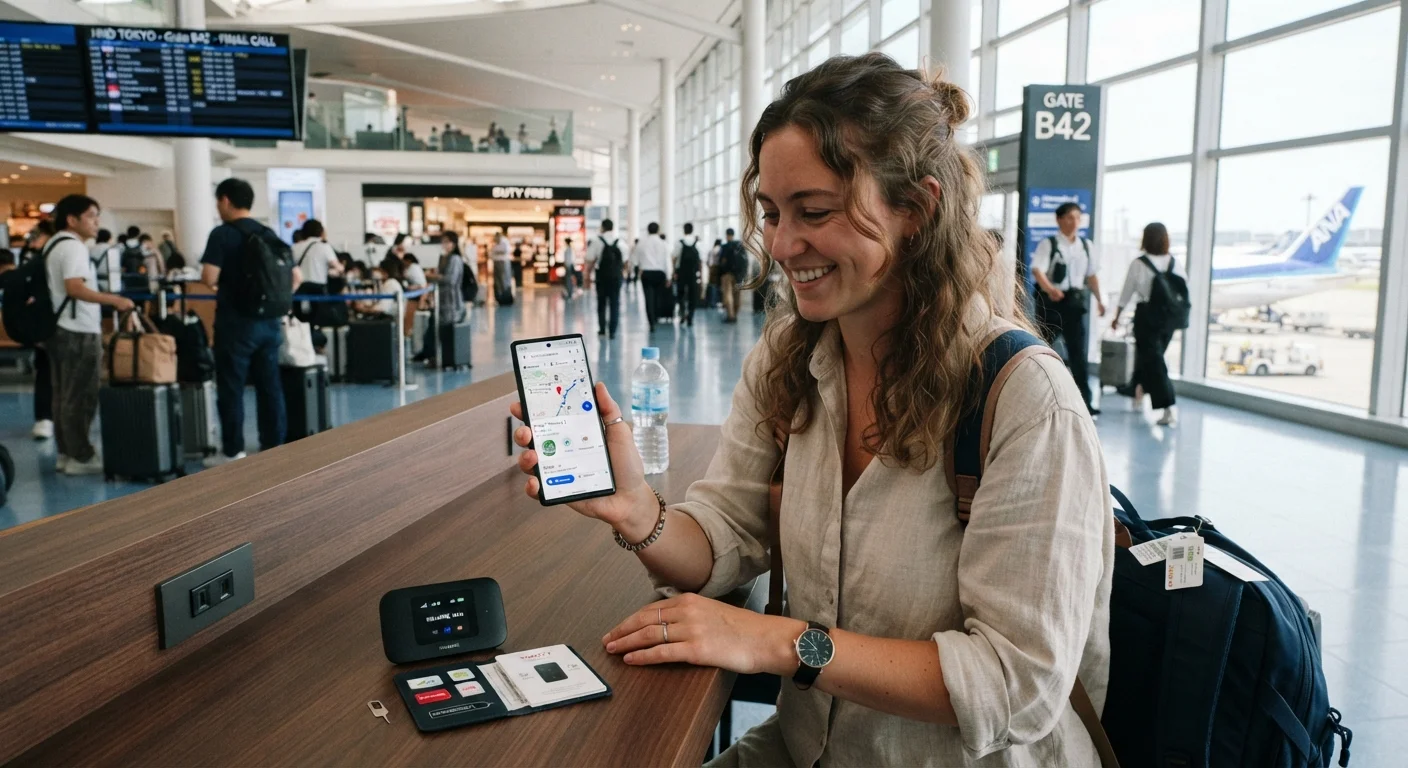
Photo: ShortwebArticles.com | Content For The Curious editorial
Key Takeaways
- Carrier roaming is the most convenient option but often the most expensive for extended trips.
- International SIM cards offer strong value for longer stays but require an unlocked phone.
- Pocket Wi-Fi devices connect multiple devices at once but need to be rented, charged, and carried.
- Your ideal option depends on trip length, destination, and how many devices you need online.
- Hidden fees exist across all three methods — always read the fine print before you fly.
Why Your Connectivity Choice Actually Matters
Getting stranded without data in a foreign city — unable to pull up a map, translate a menu, or contact your hotel — is the kind of travel nightmare that's completely avoidable. Yet many Americans don't think about their connectivity plan until they land and see a roaming alert pop up on their screen.
The three main options for staying connected abroad are your carrier's international roaming plan, purchasing an international or local SIM card, and renting a pocket Wi-Fi device (also called a mobile hotspot or MiFi). Each has a genuinely different cost structure, setup requirement, and set of trade-offs. Understanding them before you book gives you one less thing to stress about on arrival. And just like unexpected fees can quietly drain your travel budget, the wrong connectivity choice can do the same.
Breaking Down the Three Options
Here's a side-by-side look at how roaming, SIM cards, and pocket Wi-Fi compare across the criteria that matter most to everyday travelers.
| Carrier Roaming | International SIM Card | Pocket Wi-Fi Device | |
|---|---|---|---|
| Setup required | None — works automatically | Swap SIM card in phone | Rent device, charge daily |
| Typical cost (2 weeks) | Higher — daily fees add up | Lower — prepaid local rates | Moderate — daily rental fee |
| Keeps your U.S. number | Yes | No — temporary local number | Yes, via your phone's Wi-Fi |
| Devices supported | One (your phone) | One (the SIM phone) | Multiple simultaneously |
| Phone unlock required | No | Yes | No |
| Best trip length | Short (1–5 days) | Long (5+ days) | Any, especially groups |
| Multi-country coverage | Usually included | Requires regional SIM | Varies by rental plan |
A few things worth highlighting beyond the table: roaming plans from major U.S. carriers typically charge a flat daily fee (often in the $10–$15 range per day) to use your existing data plan abroad, but that pricing varies widely by carrier and destination — always confirm before you leave. Local SIM cards are sold at airports, convenience stores, and phone shops in most countries, but your phone must be unlocked to use one. If you're unsure about your phone's unlock status, this guide to setting up a new smartphone walks through how to check.
Check Your Phone's Unlock Status First
What Each Option Gets Right — and Where It Falls Short
Carrier Roaming Plans
The appeal is zero setup: your existing number works, your contacts can reach you, and you don't need to swap anything. For a 3-day business trip to Canada or Mexico, this convenience is often worth the daily fee. The downside is cost — a two-week trip can rack up charges that dwarf what a local SIM would have cost. Some plans also throttle speeds heavily after a modest daily data cap, which makes streaming or video calls frustrating.
International and Local SIM Cards
Buying a local SIM at your destination typically gets you a local number and a prepaid data bucket at local pricing — often a fraction of roaming costs. The tradeoff: your U.S. number goes dark while the local SIM is active, so anyone who tries to call or text your regular number won't reach you. For multi-country trips, you'll either need a regional SIM (which covers multiple countries at slightly higher rates) or be willing to swap SIMs at each border. Be aware that mobile data and Wi-Fi each have real security implications, whether you're on a local SIM or a roaming plan.
Pocket Wi-Fi Devices
Renting a pocket Wi-Fi device — usually through your airline, a travel retailer, or a dedicated rental service — gives you a dedicated hotspot you can share with your travel companions. Coverage depends on which local networks the device partners with. The major downsides: you need to remember to charge it daily, carry it everywhere, and return it on time. Daily rental fees add up, and some rental agreements include overage charges for heavy data use.
Watch Out for Hidden Roaming Overages
How to Choose the Right Option for Your Trip
Ask yourself four questions before you decide:
- How long is your trip? Short trips (under 5 days) often favor roaming for convenience. Longer trips make SIM cards or pocket Wi-Fi more cost-effective.
- How many countries are you visiting? Multi-country itineraries complicate local SIM logistics. A regional SIM or roaming plan may simplify things significantly.
- How many devices need data? Pocket Wi-Fi shines when you're connecting a tablet, laptop, and phone simultaneously — or sharing with a travel partner.
- Is your phone unlocked? If not, SIM cards aren't an option without first contacting your carrier.
Also factor in your destination's infrastructure. In many parts of Europe, Southeast Asia, and Japan, local SIM cards are inexpensive, widely available, and offer fast LTE coverage. In some parts of Africa, Latin America, or more rural destinations, coverage gaps may make pocket Wi-Fi — with its multi-network flexibility — a smarter bet. Always verify current entry requirements, local laws, and telecommunications rules through official government and carrier sources before traveling, as conditions change.
This article is for general informational purposes only. Prices, plans, and coverage vary by carrier, destination, and time of travel. Verify all details directly with your carrier and relevant local providers before your trip.
The content on this site is for informational purposes only and is not a substitute for professional advice. Always consult a qualified professional for guidance specific to your situation.