
Brake Pads, Rotors, and Fluid: How Your Braking System Actually Works

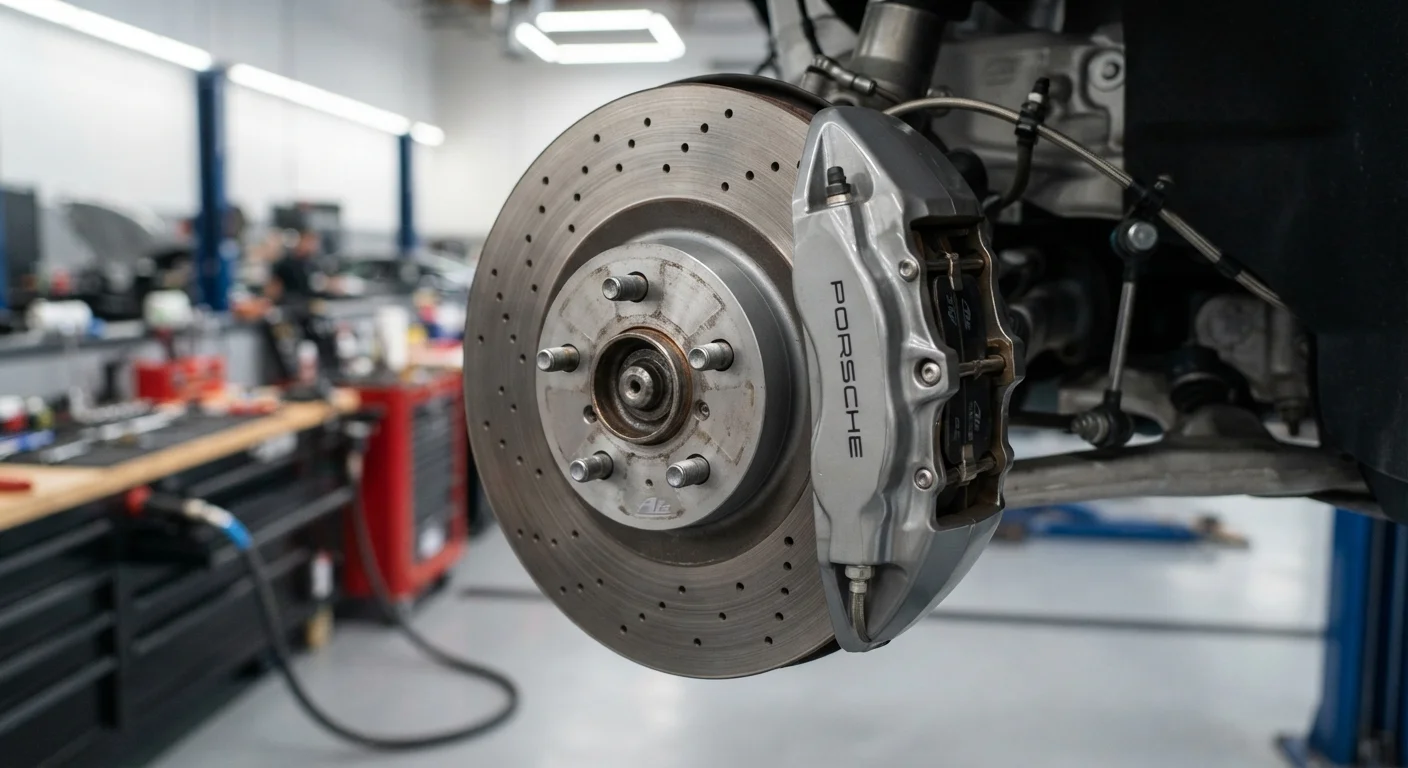
Photo: ShortwebArticles.com | Content For The Curious editorial
Key Takeaways
- Brake pads, rotors, and fluid each play a distinct role in stopping your car safely.
- Squealing or grinding noises, a soft pedal, and pulling to one side are the most common warning signs of brake wear.
- Brake fluid absorbs moisture over time and typically needs to be flushed every 2-3 years.
- Brake maintenance is safety-critical - when in doubt, have a qualified mechanic inspect the system.
- Rotors can often be resurfaced rather than replaced, depending on their thickness and condition.
The Three Core Components of Your Brakes
Every time you press the brake pedal, three components carry out the work of stopping thousands of pounds of moving vehicle: brake pads, rotors, and brake fluid. Understanding what each one does makes it far easier to recognize problems early - and to have an informed conversation with a mechanic when something feels off.
Brake pads are the friction material that clamps against the rotor. They're made from composite materials - typically ceramic, semi-metallic, or organic compounds - and they're designed to be the sacrificial component, wearing down gradually over thousands of miles so the rotor doesn't have to.
Rotors (also called brake discs) are the large metal discs mounted to each wheel hub. When the pads clamp against them, friction converts your vehicle's kinetic energy into heat, slowing the wheel. Rotors can warp from excessive heat or develop grooves from worn pads - both of which reduce braking performance.
Brake fluid is the hydraulic medium that connects your foot to the brakes themselves. When you press the pedal, fluid pressure travels through steel lines and flexible hoses to the calipers - the clamp-like devices that push the pads against the rotor. Without adequate, clean fluid, none of the mechanical components can do their job effectively. See our guide to under-hood fluid checks for more on monitoring brake fluid between services.
Warning Signs Your Braking System Needs Attention
Your brakes communicate wear in ways that are hard to miss once you know what to listen and feel for.
Trust Your Senses - Brakes Give Warnings
- Squealing or squeaking: Most brake pads include a small metal wear indicator that produces a high-pitched squeal when pads get low. This is a deliberate design feature - your cue to schedule an inspection.
- Grinding: A grinding or growling sound usually means the pads are fully worn and metal is contacting metal. This can damage rotors quickly and is a more urgent situation.
- Pulling to one side: If the car drifts left or right when braking, a caliper may be sticking, or pad wear may be uneven across the axle.
- Brake pedal pulsation: A pulsing or vibrating pedal when stopping often points to warped rotors - a common result of repeated heavy braking that generates excessive heat.
- Soft or spongy pedal: A pedal that travels further than usual before engaging resistance can indicate low fluid, air in the lines, or a failing master cylinder.
- Dashboard warning light: Many modern vehicles display a brake warning light when fluid is low or the system detects a fault. Our article on car dashboard warning lights explains what these indicators mean.
How Brake Fluid Degrades - and Why It Matters
Brake fluid is hygroscopic, meaning it naturally absorbs moisture from the air over time. As water content increases, the fluid's boiling point drops. Under hard or repeated braking - during a long mountain descent, for example - fluid that contains excess moisture can boil, introducing gas bubbles into the lines. Gas is compressible in a way fluid is not, which causes the pedal to feel soft and braking response to become unpredictable.
DOT Fluid Types Are Not Interchangeable
Most manufacturers recommend a brake fluid flush every two to three years, though your owner's manual will specify the interval for your vehicle. A mechanic can test the fluid's moisture content with an inexpensive test strip or electronic tester. This is a straightforward service that supports consistent braking performance across all conditions.
Brake system maintenance pairs naturally with other seasonal checks. Our seasonal car maintenance schedule outlines when to build these inspections into your routine.
What to Expect During a Brake Inspection
A standard brake inspection involves measuring pad thickness (typically expressed in millimeters), evaluating rotor condition and thickness, and checking fluid level and quality. Mechanics often inspect calipers for sticking pistons and check brake lines for leaks or corrosion at the same time.
60-70%
Braking force handled by front brakes
On most passenger vehicles, the front axle absorbs the majority of stopping force due to weight transfer during deceleration, causing front pads to wear significantly faster.
30,000-70,000 mi
Typical brake pad lifespan range
Actual lifespan varies based on driving style, pad material, and vehicle weight - city driving with frequent stops sits toward the lower end of that range.
2-3 years
Recommended brake fluid flush interval
Many manufacturers and brake system guidelines suggest this interval to manage moisture absorption, though always defer to your vehicle's owner's manual.
Rotors have a minimum thickness specification - usually stamped directly on the rotor face - below which they must be replaced. Above that threshold, a qualified shop may resurface them by machining a thin layer off the surface to restore smoothness. This is a cost-effective option when rotors are worn but not beyond their service limit.
Because front brakes absorb the majority of stopping force, they typically wear faster than rear brakes. Don't assume all four corners are in equal condition. It's also worth coordinating a brake check with tire care, since stopping distance and grip are closely related - see our overview of tire pressure and tread depth for more on that connection.
This article is for general informational purposes only and is not a substitute for professional mechanical advice. For any safety-critical brake concern, consult a qualified mechanic.
Frequently Asked Questions
The content on this site is for informational purposes only and is not a substitute for professional advice. Always consult a qualified professional for guidance specific to your situation.