
Your Car's Warning Lights, Explained

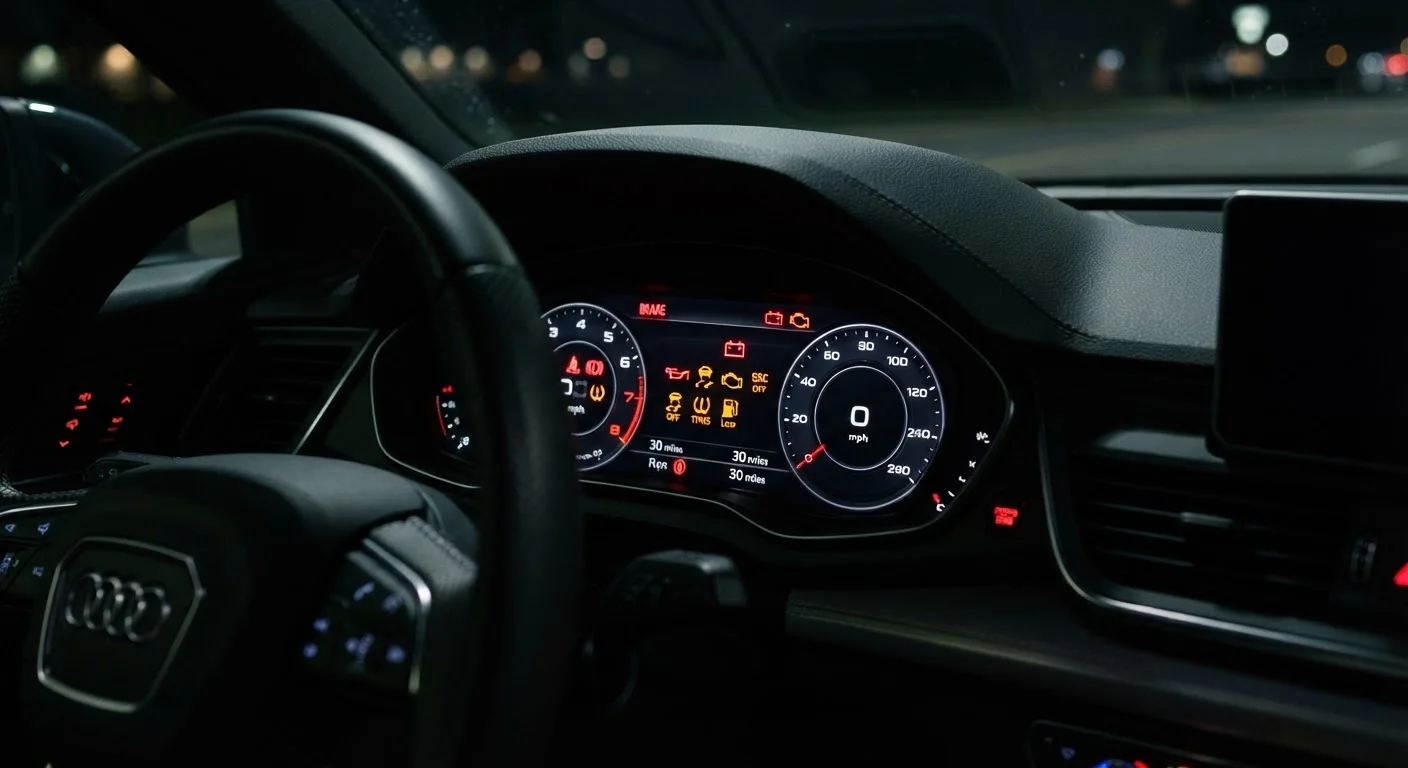
Photo: ShortwebArticles.com | Content For The Curious editorial
How Dashboard Warning Lights Work
Modern vehicles are equipped with an onboard diagnostics system (OBD) that continuously monitors dozens of sensors — from engine temperature to brake fluid pressure. When a sensor detects a reading outside its normal range, it triggers a warning light on your instrument cluster.
Warning lights generally follow a traffic-light color logic: red means stop or act immediately, amber/yellow means investigate soon, and green or blue is informational (a feature is active, not a problem). Not every light demands a trip to the shop right now, but none should be ignored indefinitely.
| OBD System Introduced | OBD-II standardized in 1996 for all U.S.-sold vehicles (U.S. Environmental Protection Agency) |
| Red Light Meaning | Immediate attention required — stop or act now |
| Amber/Yellow Light Meaning | Service needed soon — monitor and schedule repair |
| Flashing vs. Steady | A flashing check engine light signals a more urgent fault than a steady one |
| First Reference for Symbols | Your vehicle's owner's manual — contains model-specific icon legend |
Keep in mind: a single underlying issue can sometimes trigger multiple lights at once. If several illuminate together, that context matters when describing the situation to a mechanic.
The Most Common Warning Lights and What They Signal
Below are the lights drivers encounter most often, along with what each one is actually telling you.
OBD-II
On-Board Diagnostics, second generation — a standardized system used in all U.S. vehicles since 1996 that monitors vehicle systems and stores fault codes readable by a diagnostic scanner.
Malfunction Indicator Lamp (MIL)
The technical name for the check engine light. It illuminates when the OBD system logs a fault code related to the engine, transmission, or emissions system.
TPMS
Tire Pressure Monitoring System — a sensor-based system that alerts the driver when a tire's pressure drops roughly 25% or more below the vehicle manufacturer's recommended level.
Fault Code (DTC)
A Diagnostic Trouble Code stored by the OBD system when a sensor reading falls outside normal parameters. A mechanic or diagnostic tool reads these codes to identify the specific issue.
Catalytic Converter
An emissions control device in the exhaust system that converts harmful combustion byproducts into less toxic gases. Engine misfires can overheat and damage it.
Check Engine (Malfunction Indicator Lamp): This amber engine outline is one of the most misunderstood lights on any dash. It can signal anything from a loose gas cap to a misfiring cylinder. A steady light means schedule a diagnostic scan soon. A flashing check engine light indicates an active misfire that can damage the catalytic converter — reduce speed and have it inspected promptly.
Battery / Charging System: A red battery icon usually means the charging system isn't maintaining voltage — often pointing to a failing alternator, loose belt, or a battery near the end of its life. See our guide to your car's electrical starting system for a deeper look at how these components interact.
Oil Pressure Warning: A red oil can icon is one of the few lights where the right response is to pull over safely and turn off the engine as soon as possible. Running an engine with low oil pressure can cause severe internal damage within minutes.
Tire Pressure Monitoring System (TPMS): This amber horseshoe-with-exclamation icon illuminates when one or more tires falls significantly below the recommended pressure. It can also trigger after a sudden temperature drop, since cold air contracts. Our tire pressure and tread depth guide explains how to check and correct pressure yourself.
Brake System Warning: A red circle with an exclamation mark (or the letter P circled) can mean the parking brake is engaged — or it can signal low brake fluid or a hydraulic fault. Release the parking brake first; if the light stays on, have your brakes inspected. For background on how your braking system works, see our brake pads, rotors, and fluid explainer.
Temperature Warning: A red thermometer in liquid means the engine is overheating. Pull over safely, turn off the engine, and do not open the radiator cap while the engine is hot. Continuing to drive an overheating engine risks warping the cylinder head — an expensive repair.
~1 in 3
Vehicles on U.S. roads with an illuminated check engine light
According to data periodically cited by the Car Care Council, roughly one-third of vehicles fail basic maintenance checks, with warning lights among the most common findings.
25%
Pressure drop threshold that triggers a TPMS alert
Federal law (TREAD Act) requires TPMS to warn drivers when tire pressure falls 25% below the vehicle manufacturer's recommended level.
When to Drive On vs. Stop Immediately
Not every warning light requires you to pull over on the spot, but it helps to know which ones do.
- Stop immediately (red alerts): Oil pressure, engine temperature, and brake system faults. These indicate conditions that can cause rapid mechanical damage or compromise vehicle control.
- Schedule service soon (amber alerts): Check engine (steady), TPMS, transmission temperature, and service due reminders. These issues need attention but generally allow you to complete a trip safely.
- Monitor the situation: Low fuel, door ajar, and washer fluid lights are convenience alerts — no immediate mechanical risk.
When in doubt, consult your owner's manual first. Every vehicle model has its own set of icons and some manufacturers use proprietary symbols. Your manual includes a full legend specific to your car.
Diagnostic Scans Are Widely Available
Pairing light awareness with a regular maintenance rhythm is the most effective strategy. Our seasonal car maintenance schedule can help you stay ahead of the conditions that trigger many of these warnings in the first place.
The content on this site is for informational purposes only and is not a substitute for professional advice. Always consult a qualified professional for guidance specific to your situation.