
Small Outdoor Spaces That Punch Above Their Size

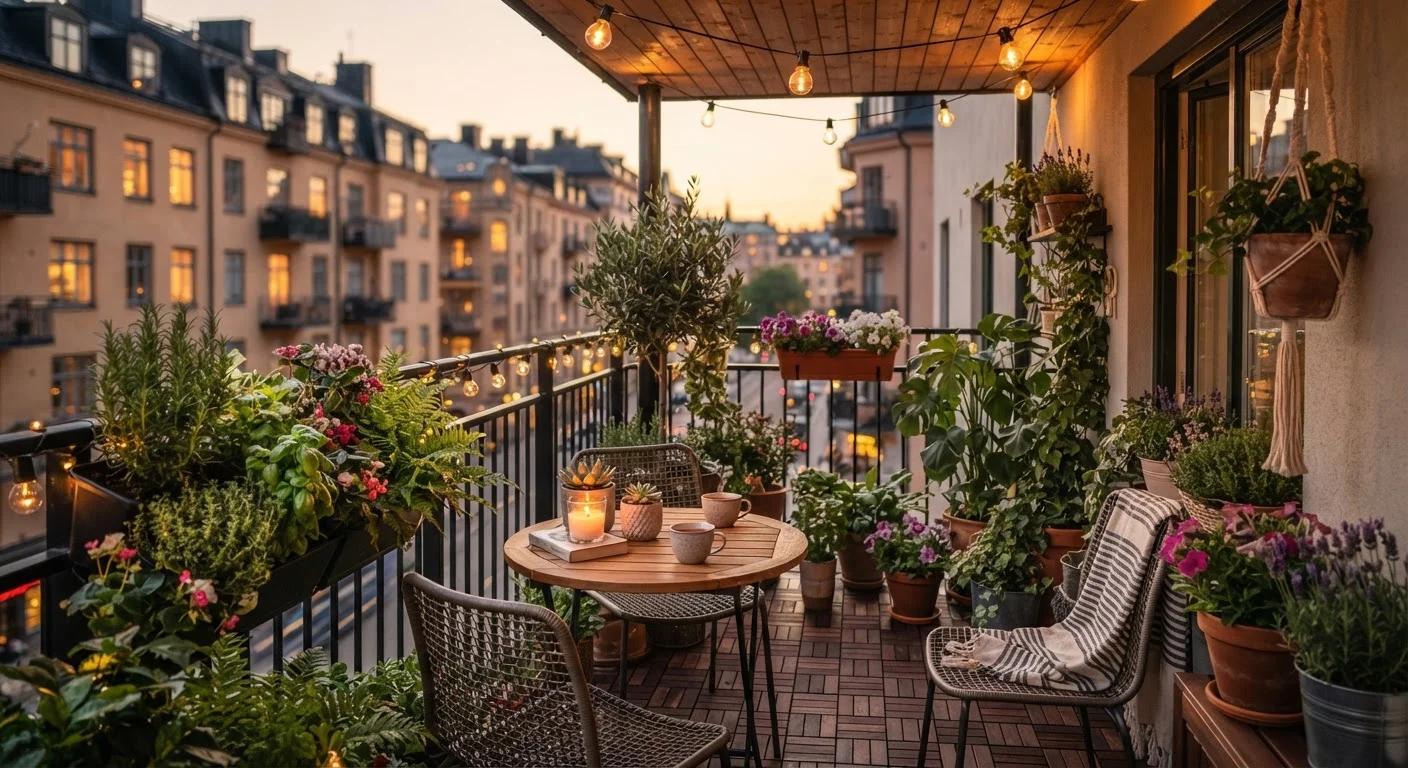
Photo: ShortwebArticles.com | Content For The Curious editorial
Key Takeaways
- Defining zones — even in tiny spaces — makes compact outdoor areas feel intentional and functional.
- Vertical surfaces are the most underused asset in small outdoor spaces; exploit them with planters, trellises, and storage.
- Right-sized furniture and dual-purpose pieces prevent visual clutter and free up usable floor area.
- Container gardening lets renters and small-yard owners grow food, herbs, and ornamentals without permanent installation.
- Lighting and reflective surfaces can make a compact space feel significantly larger after dark.
Why Small Outdoor Spaces Deserve Serious Design Attention
A 60-square-foot balcony or a 10-foot side yard can feel like wasted square footage — or it can become the most-used spot at your home. The difference almost always comes down to intentional design rather than size. Small outdoor spaces reward deliberate planning because every element has to earn its place, which tends to produce tighter, more cohesive results than sprawling yards where clutter accumulates unnoticed.
The strategies below apply to patios, balconies, courtyard gardens, narrow side yards, and front stoops. They're organized around spatial moves — decisions about how space is arranged, layered, and perceived — rather than around specific products. Whether you rent or own, most of these ideas are accessible with modest effort and expense.
Define zones before you add anything
The single most effective move in a small outdoor space is establishing distinct zones — even when those zones are only a few feet apart. A seating zone, a planting zone, and a pathway aren't luxuries; they're the organizing logic that prevents a small space from feeling like a cluttered afterthought.
Use simple cues to mark zones: a small outdoor rug defines a seating area without any construction. A low planter or a row of containers creates a visual boundary between where you sit and where you garden. Even a change in surface material — gravel versus pavers — signals a zone transition. Once the zones are established, each one can be furnished and planted according to its purpose rather than defaulting to random placement.
Defining zones — even simple ones — is what separates an organized small space from a cluttered one.
Go vertical with plants and storage
Vertical space is the most consistently underused dimension in compact outdoor areas. A bare fence, an exterior wall, or a railing can support a wall-mounted planter system, a trellis for climbing vines, a fold-down tool organizer, or a hanging herb garden. None of these require significant floor area, yet each adds function and visual depth.
For renters or those who want non-permanent solutions, freestanding tiered plant stands and tension-mounted shelving work well on balconies. For homeowners with a fence or exterior wall, mounted pocket planters or a simple wooden trellis provide a foundation for vertical growing. Vertical gardening also improves air circulation around plants, which can reduce disease pressure in dense plantings. For more on making vertical space work, the principles in this vertical storage guide apply surprisingly well outdoors.
A fence or exterior wall isn't a boundary — it's a growing and storage surface waiting to be used.
Choose furniture scaled to the space
Oversized furniture is one of the fastest ways to make a small outdoor space feel cramped and difficult to navigate. A standard six-person patio dining set on a 10-by-12 patio leaves almost no usable open floor area. Scale matters more outdoors than indoors because there are fewer walls to anchor furniture against.
Bistro tables with two chairs are often the right fit for balconies and small patios. Folding or stackable chairs allow seating to expand when needed and disappear when not in use. Benches with built-in storage serve double duty. The general rule: leave at least 18–24 inches of clear walking path through any outdoor area, and size the primary seating to allow that clearance comfortably.
Right-sized furniture preserves the one thing a small space can't afford to lose: usable open floor area.
Use containers strategically for growing
Container gardening is the most flexible growing strategy available in small outdoor spaces. Pots, window boxes, grow bags, and raised planters can go wherever conditions are right — sun-seeking plants moved to a sunny corner, shade-tolerant herbs tucked under a table. Containers also let renters garden without altering the property.
The tradeoff with containers is that they dry out faster than in-ground plantings, so consistent watering matters more. Grouping containers together slows moisture loss and creates a more lush, cohesive visual effect than isolated pots scattered around a space. Self-watering containers are worth considering for busy households. If you're in a dry climate or dealing with water restrictions, the principles in our drought-tolerant landscaping article apply directly to container plant selection.
Grouping containers together slows moisture loss and creates a lush visual effect that isolated pots can't match.
Use light and reflection to expand perceived space
Lighting transforms how an outdoor space feels once the sun sets — it can make a small patio feel intimate and complete rather than dark and forgotten. String lights draped above a seating area create a ceiling effect that defines the space vertically. Low-voltage path lighting or stake lights along a planting border add depth without overwhelming a small area.
Reflective surfaces work alongside light. A mirror mounted on a fence (designed for outdoor use) creates the illusion of depth in a narrow side yard. Light-colored pavers or painted surfaces bounce daylight rather than absorbing it, keeping a shaded space from feeling oppressive. These aren't tricks — they're the same spatial perception principles used in interior design, applied outdoors.
String lights overhead create a visual ceiling that makes even an open balcony feel like a defined room.
Control clutter with an outdoor storage plan
Small outdoor spaces accumulate clutter faster than large ones because there's less visual buffer. Gardening tools, hoses, cushions, and toys left out in the open quickly overwhelm a compact patio. A simple outdoor storage plan — even a single waterproof storage bench or a wall-mounted tool organizer — keeps the space functional and visually restful.
The key is assigning a home to each category of item before it becomes a problem. Cushions need a bin or bench with a lid. Garden tools need a hook or a compact cabinet. A hose needs a wall-mounted reel rather than a pile in the corner. These decisions take minutes to make but have an outsized effect on how a small space feels day-to-day.
Assigning a storage home for every category of item before clutter accumulates keeps small spaces from unraveling.
Putting It All Together
Small outdoor spaces reward incremental improvement. You don't need to act on all of these strategies at once — often one strong move, like adding a vertical planter wall or replacing an oversized table, transforms the feel of a space immediately. Once you've established the basics, layering in lighting can be especially impactful. Our guide on outdoor lighting principles explains how to layer ambient, task, and accent light to make any outdoor area feel welcoming after dark.
If you're working with containers and want to grow edibles, the soil you start with matters more in a small space than a large one — there's less margin for error. Our guide to soil building and raised beds covers how to build a productive growing medium even in compact settings. And if water access is limited or you're gardening in a dry climate, the principles of drought-tolerant landscaping translate well to container and patio gardens where pots dry out faster than in-ground plantings.
Start with one strong move
Small outdoor spaces and small indoor spaces share many of the same organizational challenges. If you're tackling both, the storage strategies for compact homes article offers complementary thinking on how to make limited square footage work harder indoors and out.
The content on this site is for informational purposes only and is not a substitute for professional advice. Always consult a qualified professional for guidance specific to your situation.